Narmada Sangam: Location, Significance, History and Travel Guide
Narmada Sangam refers to the sacred confluence points where rivers and streams meet the Narmada River across its long journey through central India. The word Sangam means “confluence” and traditionally represents a place where rivers, landscapes and spiritual traditions come together. This guide focuses on the documented confluence sites associated with the Narmada, including important locations such as Omkareshwar, Bhedaghat, Mandla, Gangseri and Khalghat. A 2024 research paper from Gujarat University’s Department of Sanskrit documents 100 river confluences associated with the Narmada. These places hold geographical, cultural and religious importance, particularly for pilgrims undertaking the Narmada Parikrama, the traditional circumambulation of the sacred river.
What Is Narmada Sangam?
Narmada Sangam describes a confluence where another river, stream or watercourse joins the Narmada. Along its approximately 1,312-kilometre journey, the Narmada passes through Madhya Pradesh, Maharashtra and Gujarat before reaching the Arabian Sea. During this journey, it receives water from numerous tributaries and smaller rivers, creating many distinct Sangam sites.
In Hindu tradition, a Sangam is more than a geographical meeting point. Rivers are often revered as living manifestations of sacred natural forces, and a confluence is traditionally regarded as a particularly auspicious place for prayer, meditation, offerings and ritual bathing. For Narmada devotees, these locations can become important stops during pilgrimage.
The Narmada has numerous documented confluences. A 2024 research paper by Dr. Mohini Pravinbhai Joshi of Gujarat University’s Department of Sanskrit records 100 rivers and their associated Sangam locations along the Narmada. These include well-known places such as Omkareshwar, Bhedaghat, Mandla, Gangseri and Khalghat.
For pilgrims undertaking Narmada Parikrama, these Sangams add another layer of geographical and spiritual significance. The pilgrim traditionally follows the river’s course, visiting important ghats, temples, ashrams and sacred places along the way. However, not every recorded confluence is a major pilgrimage destination today, so individual locations should be understood in their historical and local context.
Meaning of Sangam in Hindu Tradition
The Sanskrit word Sangam means “coming together” or “confluence.” In the Indian religious tradition, the meeting of rivers is often regarded as spiritually significant because water is associated with purification, life and sacredness. Pilgrims traditionally visit such places to bathe, offer prayers, perform puja and make offerings to the river. These practices are matters of faith and tradition rather than scientific claims about purification. Famous examples include the Ganga-Yamuna confluence at Prayagraj and numerous smaller Sangams associated with the Narmada.
Which Rivers Meet at Narmada Sangam?
There is no single river called “Narmada Sangam.” The term describes multiple confluence locations along the Narmada. The 2024 Gujarat University research identifies 100 associated rivers or watercourses, including the Tawa, Kolar/Kosalya, Banjar, Saraswati, Goi, Ganjal, Gomti, Veda and Kaveri Ganga. Their locations range from Omkareshwar and Bhedaghat to Mandla, Gangseri and Khalghat. This distinction is important because references to “Narmada Sangam” can otherwise create confusion between different confluences.
Where Is Narmada Sangam Located?
There is no single location known simply as Narmada Sangam. The Narmada forms numerous confluences with rivers and streams along its approximately 1,312-kilometre course, from Amarkantak in Madhya Pradesh to the Gulf of Khambhat in Gujarat. The river flows through Madhya Pradesh and along sections of the Maharashtra and Gujarat borders before reaching the Arabian Sea.
The 2024 research by Dr. Mohini Pravinbhai Joshi identifies 100 rivers and associated Sangam locations, including important sites at Omkareshwar, Bhedaghat, Mandla, Gangseri and Khalghat. Among these, Omkareshwar is particularly well known to pilgrims, where the Narmada is associated with the Kaveri confluence and the sacred Omkareshwar Jyotirlinga.
Geographically, these Sangams range from the forested upper reaches around Amarkantak and Mandla to the central Narmada valley and the lower river landscape of western Madhya Pradesh and Gujarat. Their importance also varies. Some are prominent pilgrimage destinations, while others are small local confluences mentioned in historical or regional sources.
For Narmada Parikrama pilgrims, these locations form part of the wider sacred landscape of the river. However, the exact route and importance of each Sangam can differ according to the traditional Parikrama route followed.
Nearby Towns and Important Places
The following table works well as a quick-reference guide, but distances should be presented as approximate and verified individually before publication.
| Place | Approx. Distance | Importance |
| Omkareshwar | — | Major Narmada pilgrimage centre and Jyotirlinga |
| Khandwa | ~80 km from Omkareshwar | Major regional transport and access point |
| Maheshwar | ~65 km from Omkareshwar | Historic Narmada riverside pilgrimage town |
| Bhedaghat | ~20 km from Jabalpur | Famous for marble cliffs and Dhuandhar Falls |
| Mandla | ~95 km from Jabalpur | Important Narmada riverside town and Parikrama region |
| Amarkantak | ~170 km from Mandla | Traditional source of the Narmada and major pilgrimage centre |
These places represent different sections of the Narmada’s journey. Amarkantak marks the river’s origin, while Omkareshwar, Maheshwar, Mandla and Bhedaghat are important cultural and pilgrimage destinations farther downstream.
Religious Significance of Narmada Sangam
The religious significance of Narmada Sangam comes from the sacred status traditionally given to the Narmada River and the importance of river confluences in Hindu practice. Unlike an ordinary meeting of waterways, a Sangam is traditionally viewed as a spiritually charged place where devotees can pause for prayer, reflection and ritual.
The Narmada is especially revered as Maa Narmada, and its religious landscape includes thousands of temples, ghats, ashrams and pilgrimage sites along its approximately 1,312-kilometre course. For devotees undertaking Narmada Parikrama, Sangam points can become meaningful stops along the river’s journey.
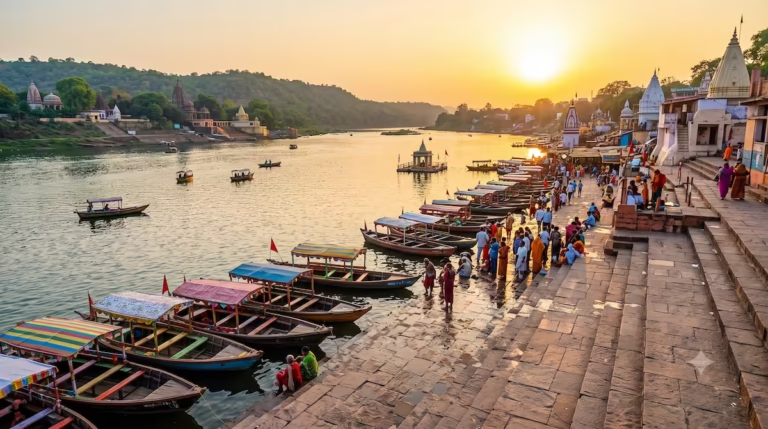
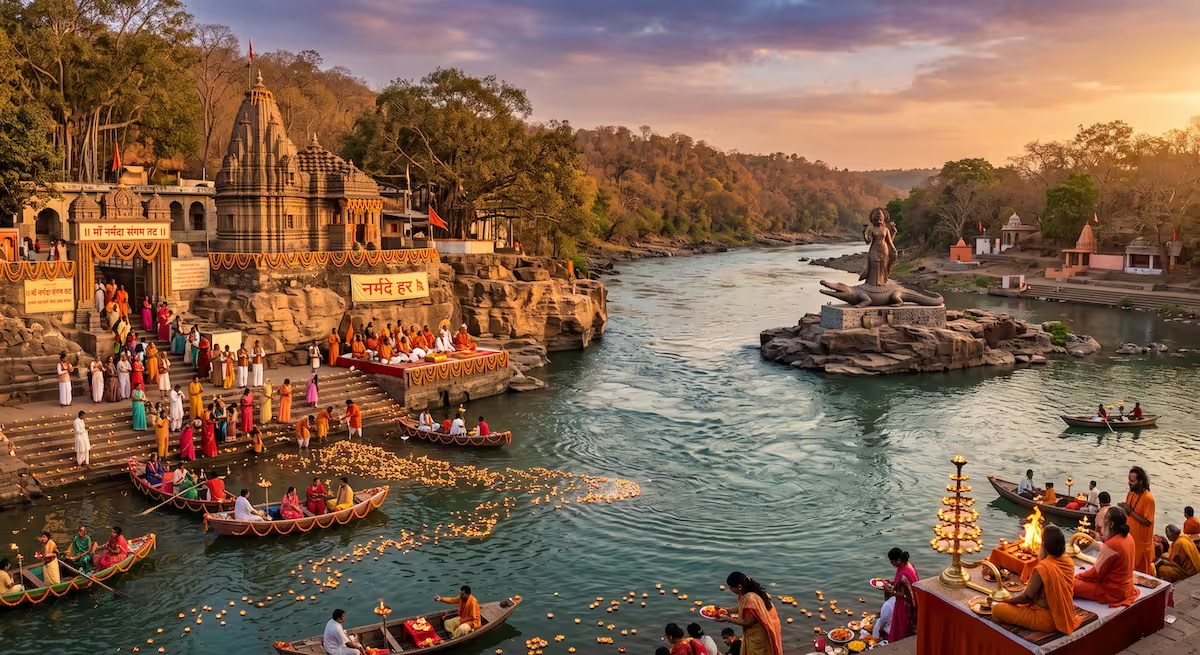
Confluences are important in Hinduism because rivers are traditionally personified as sacred mothers and sources of life. At a Narmada Sangam, devotees may perform snan (ritual bathing), offer flowers or water, light a diya, recite prayers and spend time in meditation. Some pilgrims also make a sankalp, or sacred personal resolution, before continuing their journey.
These practices are rooted in religious belief and tradition. They should not be presented as scientifically proven methods of physical or spiritual purification.
The importance of individual Sangams varies. Omkareshwar, for example, combines the sacred Narmada landscape with one of India’s Jyotirlinga temples, while places such as Bhedaghat, Mandla, Gangseri and Khalghat have their own local religious traditions and pilgrimage associations.
For Narmada devotees, therefore, a Sangam is not simply a geographical landmark. It can represent a moment to slow down, acknowledge the river’s sacred character and continue the journey with renewed devotion.
Why Is Narmada Considered a Sacred River?
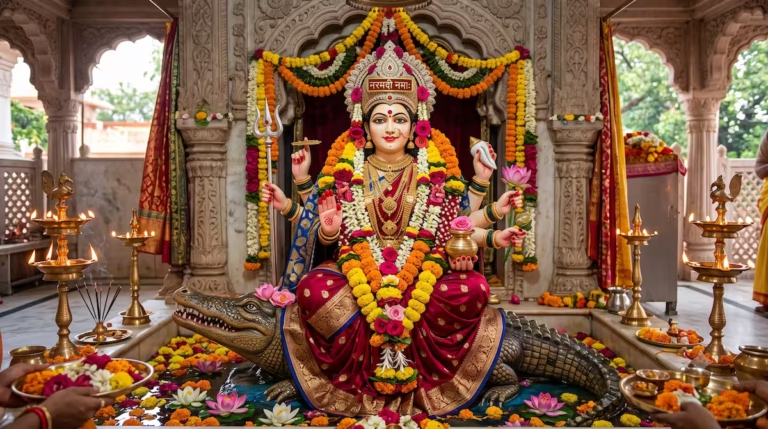
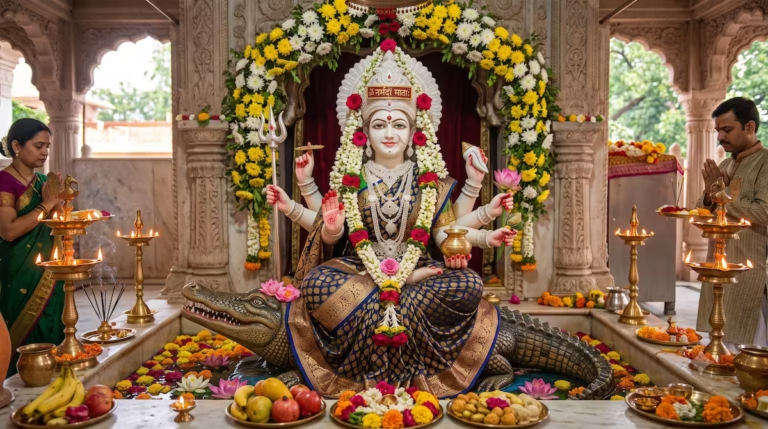
In Hindu tradition, the Narmada is revered as Maa Narmada, a sacred river with a distinct place in India’s pilgrimage culture. Traditional stories and regional religious texts associate the river with Lord Shiva, and many devotees believe that the Narmada possesses exceptional spiritual significance. The river is also closely connected with Narmada Parikrama, one of India’s important river-based pilgrimages. Unlike many pilgrimages centred on a single temple, Parikrama follows the river itself. This deepens the relationship between the pilgrim, the landscape and the sacred river. These beliefs are part of Hindu religious tradition and vary across communities.
Rituals Performed at Narmada Sangam
Ritual practices differ between Sangams, temples and local traditions, but devotees commonly perform several simple acts of worship. Snan refers to ritual bathing or washing at the river, where local conditions and safety permit. Puja may include flowers, incense, water and other traditional offerings. During deep daan, devotees float or place a small illuminated diya as an offering. Others sit quietly for meditation, recite prayers or chant the name of Maa Narmada. A sankalp is a personal religious resolution made before undertaking a pilgrimage or ritual. Visitors should follow local customs and avoid polluting the river while performing any offering.
Narmada Sangam and Narmada Parikrama
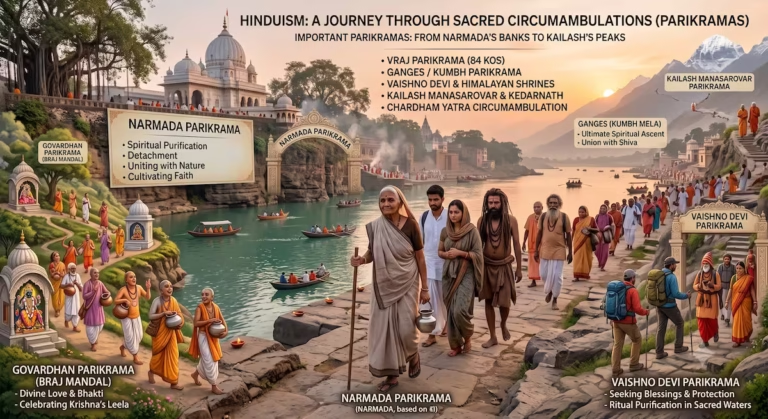
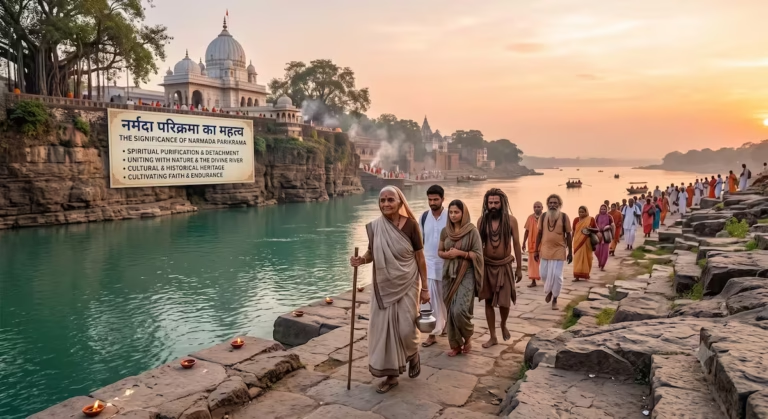
Narmada Sangam locations are important landmarks within the wider sacred geography of Narmada Parikrama. The traditional pilgrimage involves circumambulating the Narmada River, generally beginning at the river’s source at Amarkantak and continuing along one bank toward the Arabian Sea before returning along the opposite bank. Depending on the tradition and route followed, the journey can cover approximately 2,600–3,000 kilometres and may take several months.
During the Parikrama, pilgrims encounter numerous ghats, temples, ashrams, villages and river confluences. A Sangam can provide a meaningful place to pause, pray and reconnect with the river. The 2024 research by Dr. Mohini Pravinbhai Joshi records 100 rivers and associated confluence locations along the Narmada, demonstrating the extensive network of waterways connected with the river.
However, not every documented Narmada Sangam is a formal stop on every traditional Parikrama route. Some are prominent pilgrimage centres, such as Omkareshwar and Maheshwar, while others are smaller local confluences that may require a detour or may have limited visitor facilities.
Pilgrims should therefore verify the current route, road conditions, river access and local customs before visiting a particular Sangam. During monsoon and periods of high water, bathing and approaching the river may also be unsafe.
Is Narmada Sangam Part of Narmada Parikrama?
Yes, Narmada Sangam locations are encountered during Narmada Parikrama, but not every Sangam forms a mandatory stop on the traditional route. The Parikrama follows the Narmada’s course and passes through numerous places where tributaries and smaller rivers join the main river. Important pilgrimage centres such as Amarkantak, Omkareshwar and Maheshwar are closely associated with the Parikrama tradition. Other Sangams listed in historical or regional sources may be less accessible or locally significant. Pilgrims generally follow the river closely while respecting traditional rules, local customs and established route practices. The exact itinerary can vary according to the Parikrama tradition, starting point and route chosen.
What Do Pilgrims Do at Narmada Sangam?
At a Narmada Sangam, pilgrims commonly stop for darshan, prayer and meditation. Where local conditions permit, some devotees perform Snan, or ritual bathing, followed by puja and offerings to Maa Narmada. Some light lamps as Deep Daan or make a Sankalp before continuing their journey. A Sangam can also be a practical resting point during a long Parikrama. However, pilgrims should check river conditions and local guidance before entering the water, particularly during monsoon and periods of strong current.
Best Time to Visit Narmada Sangam
The best time to visit Narmada Sangam is generally from October to March, when temperatures across much of the Narmada valley are more comfortable for walking, sightseeing and pilgrimage. November through February is particularly pleasant, especially if your visit includes ghats, temples or longer sections of the Narmada Parikrama route.
The monsoon season, usually June to September, brings substantial rainfall to parts of the Narmada basin. River levels can rise significantly, currents may become strong and some riverbank areas can become difficult to access. For this reason, visitors should check local conditions before approaching the water during and immediately after heavy rainfall.
April and May are the hottest months, with daytime temperatures in parts of central and western Madhya Pradesh frequently reaching around 35–42°C. Early morning visits are much more comfortable during this period.
Festival dates can also influence the experience. Major occasions such as Mahashivratri, Narmada Jayanti and Kartik Purnima can attract large numbers of pilgrims at important Narmada destinations. If you prefer a quieter visit, choose an ordinary weekday outside major festival periods.
For photography, sightseeing and peaceful prayer, early morning, around sunrise, is usually the best time of day. Temperatures are lower, light is softer and the ghats are often quieter.
Best Months to Visit
| Month | Typical Weather | River Conditions | Recommendation |
|---|---|---|---|
| October | Pleasant to warm | Water levels gradually settle | Good |
| November | Pleasant | Generally manageable | Excellent |
| December | Cool and comfortable | Generally manageable | Excellent |
| January | Cool mornings | Generally manageable | Excellent |
| February | Pleasant | Generally manageable | Excellent |
| March | Increasingly warm | Generally manageable | Good |
Weather and river conditions vary considerably between different Narmada Sangam locations. Always check local conditions before bathing or approaching the river
How to Reach Narmada Sangam
Because the Narmada has many documented Sangam locations, the exact journey depends on which confluence you want to visit. Omkareshwar is one of the best-known examples, where the Narmada and Kaveri meet near the sacred Omkar Mandhata temple. It is also one of the easiest Narmada Sangam locations to reach, with regular road, rail and air connections through Indore and Khandwa.
By Road
Omkareshwar is well connected by road with Indore, Khandwa and Ujjain. From Indore, the journey is roughly 80–90 km, depending on the route, and takes around two to three hours by car. Regular buses and taxis are available, while a private vehicle gives greater flexibility for visiting the Sangam, temples and nearby ghats. Roads are generally accessible, but conditions can change during the monsoon. For remote Sangams listed in the Narmada research, local roads and final access may be considerably more limited.
By Train
For Omkareshwar, Omkareshwar railway station is about 12 km from the town, while Khandwa, roughly 70–77 km away, is the more useful major railhead with connections to several major Indian cities. From either station, travellers can continue by taxi or local bus.
By Air
The nearest major airport is Devi Ahilyabai Holkar Airport in Indore, approximately 77–87 km from Omkareshwar, depending on the reference point used. The airport has connections with major cities including Delhi, Mumbai, Bengaluru, Hyderabad and Ahmedabad. From the airport, a private taxi is the most convenient option for reaching Omkareshwar and its Narmada-Kaveri Sangam.
Travel tip: If your purpose is specifically Narmada Parikrama, confirm the exact Sangam location and local access before travelling. Several confluences in the historical list are small or remote sites rather than developed tourist destinations.
Places to Visit Near Narmada Sangam
If you are visiting the Narmada Sangam at Omkareshwar, allow at least one full day to explore the surrounding pilgrimage landscape. Omkareshwar itself deserves several hours, particularly if you want to visit the temples, walk along the ghats and spend time beside the Narmada. The surrounding region also offers several important religious and historical sites.
| Place | Approx. Distance from Omkareshwar | Why Visit | Time Required |
|---|---|---|---|
| Omkareshwar Temple | Within town | One of the 12 Jyotirlingas | 2–3 hours |
| Mamleshwar Temple | ~1 km | Historic Shiva temple on the southern bank | 1–2 hours |
| Siddhanath Temple | ~2 km | Important medieval temple with distinctive architecture | 45–60 min |
| Maheshwar | ~65 km | Ahilyabai Holkar’s historic riverside city | Half to full day |
| Mandleshwar | ~55 km | Ancient Narmada pilgrimage town | 2–3 hours |
| Khalghat | ~55 km | Historic Narmada riverside and Sangam region | 1–2 hours |
Distances are approximate and can vary according to the exact starting point and road taken.
Temples Near Narmada Sangam
The most important temple to visit near the Omkareshwar Sangam is Omkareshwar Jyotirlinga, one of the 12 Jyotirlingas traditionally associated with Lord Shiva. Across the Narmada, Mamleshwar Temple provides another important spiritual stop. Siddhanath Temple, known for its historic architecture and Narmada-side setting, is also worth including. Together, these temples make Omkareshwar much more than a short Sangam visit. Plan additional time for darshan, temple queues and walking between the ghats and shrines.
Other Narmada Pilgrimage Sites Nearby
For travellers interested in the wider Narmada pilgrimage circuit, Maheshwar is one of the most rewarding additions. Its riverside ghats, temples and association with Queen Ahilyabai Holkar give it a distinctive historical character. Mandleshwar and Khalghat offer further connections with the sacred Narmada landscape. If you are planning a longer pilgrimage, these destinations can be incorporated into a broader Narmada Parikrama route, rather than treated as isolated sightseeing stops.
Things to Do at Narmada Sangam
A visit to Narmada Sangam is best experienced slowly rather than treated as a quick sightseeing stop. Whether you are visiting Omkareshwar or another documented confluence, allow time to experience the river and understand its local traditions.
- Take in the confluence: Spend a few quiet minutes observing where the waterways meet. Early morning often offers the most peaceful experience.
- Offer prayers: Pay your respects to Maa Narmada at the riverbank or nearby ghat.
- Perform permitted rituals: Depending on local customs and conditions, devotees may perform puja, Snan, Deep Daan or make a Sankalp.
- Meditate: The riverbank provides a natural setting for quiet reflection and meditation.
- Photograph the landscape: Capture the river, ghats, temples and surrounding countryside while respecting local religious practices.
- Explore nearby temples: At Omkareshwar, combine the Sangam visit with Omkareshwar Jyotirlinga, Mamleshwar and Siddhanath Temple.
- Learn local traditions: Speak with knowledgeable locals or priests to understand the history and customs associated with the Sangam.
- Continue your Narmada Parikrama: For Parikrama pilgrims, the Sangam can become a meaningful pause before continuing along the traditional river route.