Significance of Narmada Parikrama: Religious, Spiritual and Cultural Importance
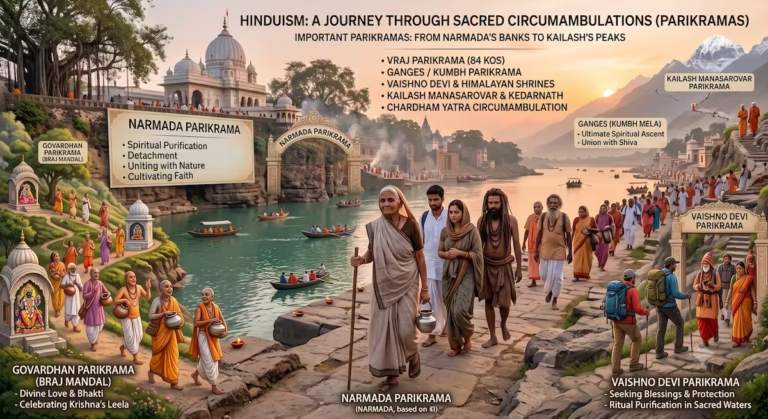
Narmada Parikrama is one of India’s most distinctive pilgrimage traditions, built around the sacred Narmada River rather than a single temple or shrine. The word Parikrama means circumambulation, and devotees traditionally walk along both banks of the river as an act of faith, surrender and devotion. Narmada is revered as a sacred river in Hindu tradition, with ancient religious literature and pilgrimage sites reinforcing its spiritual importance. For devotees, the river itself becomes the centre of pilgrimage, with ghats, temples, ashrams and sangams forming part of a continuous sacred landscape. This journey carries religious, spiritual, cultural and philosophical meaning. This article explores why Narmada Parikrama matters and what makes this tradition unique.
Why Is Narmada Parikrama Considered Significant?
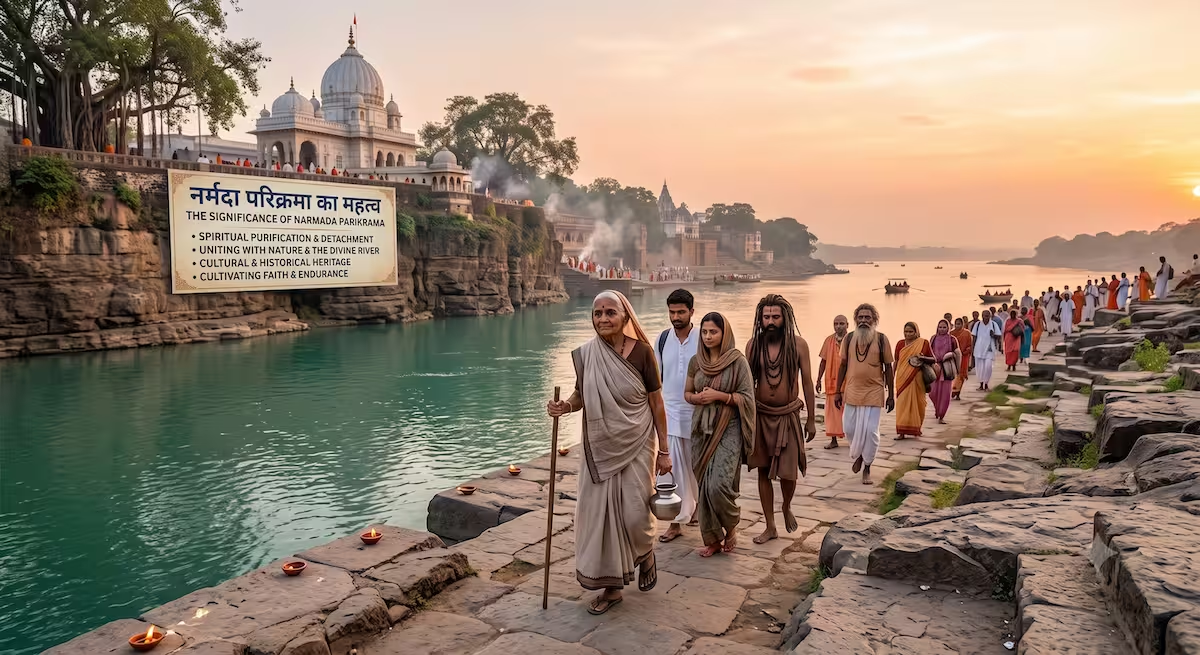
Narmada Parikrama is considered significant for its deep religious, spiritual and cultural meaning. Devotees do not simply visit the Narmada. They walk beside the river as an act of worship, following traditions that have continued for generations. The river remains the focus throughout the pilgrimage. Temples, ghats, ashrams and sacred meeting points along its banks become part of this practice. Many pilgrims undertake the Parikrama to express devotion, fulfil religious vows, seek blessings and develop greater self-discipline. The practice also carries a deeper message about faith, perseverance and surrender.
What Does Narmada Parikrama Mean?
The word Parikrama means walking around a sacred object as an act of reverence. Hindu traditions use circumambulation at temples, shrines and other holy places. In Narmada Parikrama, the river itself becomes the object of reverence. Devotees traditionally follow the river from its source at Amarkantak, travel along one bank, cross near the river’s mouth, and return along the opposite bank. This continuous practice gives the pilgrimage its distinctive religious character.
Why Do Devotees Perform Narmada Parikrama?
Devotees undertake Narmada Parikrama for faith, devotion and spiritual practice. Some pilgrims make a personal religious vow and complete the Parikrama as an offering to Maa Narmada. Others seek blessings, inner discipline or a deeper connection with their faith. The traditional practice demands patience and simple living. Pilgrims often follow specific customs concerning food, accommodation, river crossings and daily worship. These rules turn the pilgrimage into a sustained religious practice rather than a short visit to a holy place.
What Does Narmada Parikrama Symbolize?
Narmada Parikrama represents the spiritual journey of human life. The pilgrim keeps moving beside the river, facing physical effort, changing conditions and daily uncertainty. This practice teaches perseverance and patience. The circular nature of the Parikrama reflects continuity and the sacred cycle of life. Devotees also see the journey as an act of surrender to Maa Narmada. The river remains a constant presence throughout the pilgrimage, giving the practice a strong sense of devotion and spiritual purpose.
Also read:
Narmada Parikrama Guide
Narmada Parikrama Route
Narmada Parikrama Rules
Why Is Narmada Considered Sacred?
Narmada is revered as one of India’s sacred rivers, with a religious tradition that connects the river to worship, pilgrimage and Hindu mythology. Its sacred status comes from more than its physical presence. Devotees see Maa Narmada as a divine mother and treat the river with deep respect. Ancient traditions connect Narmada with Lord Shiva, and sites such as Amarkantak, Omkareshwar and Maheshwar hold an important place in Narmada worship. The river also supports a long chain of ghats, temples, ashrams, tirthas and sangams that shape its religious identity.
Narmada as a Sacred River in Hinduism
Narmada holds a special place among India’s sacred rivers. Hindu tradition associates the river with purification, worship and pilgrimage. The Reva Khand of the Skanda Purana contains extensive accounts of Narmada and its sacred places. Amarkantak, where the Narmada rises, is an important pilgrimage centre. Omkareshwar, one of the twelve Jyotirlinga sites of Lord Shiva, adds another major religious connection. These traditions have made the Narmada an important river for pilgrims across generations.
Why Is Narmada Revered as Maa Narmada?
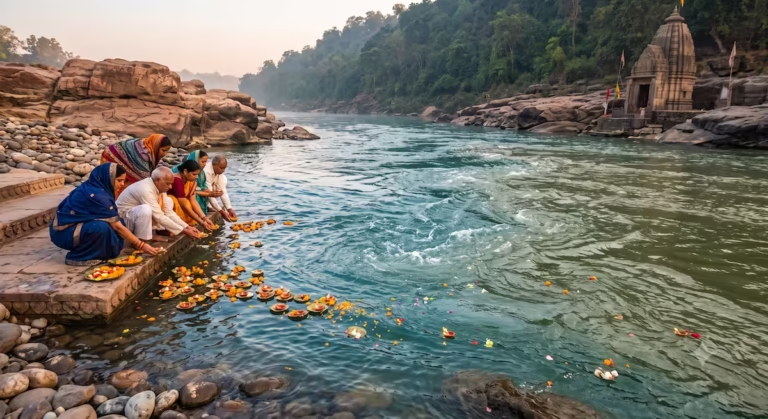
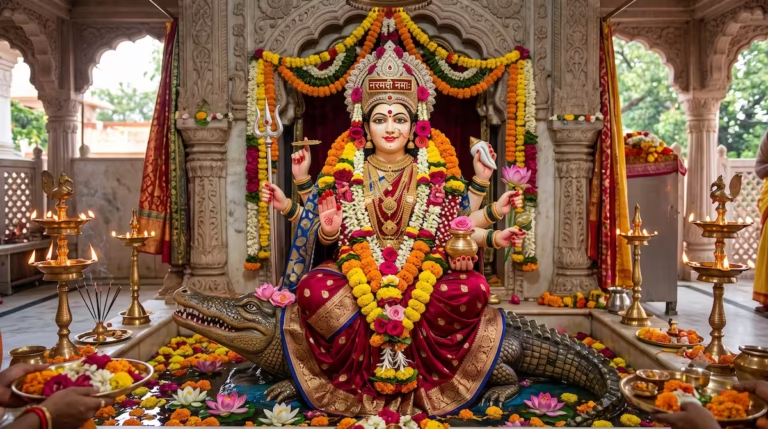
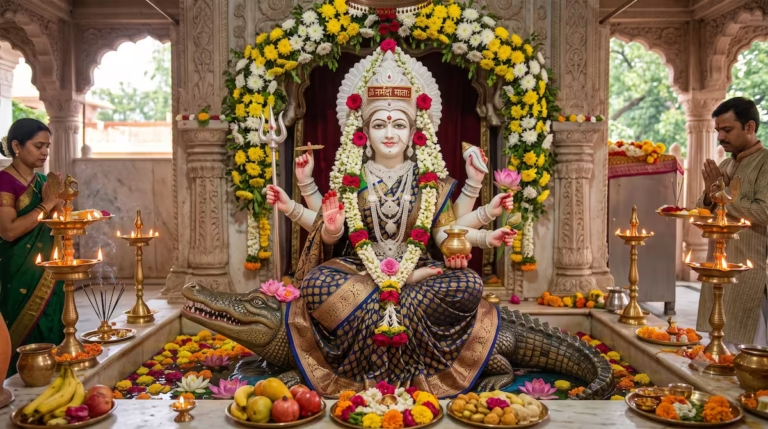
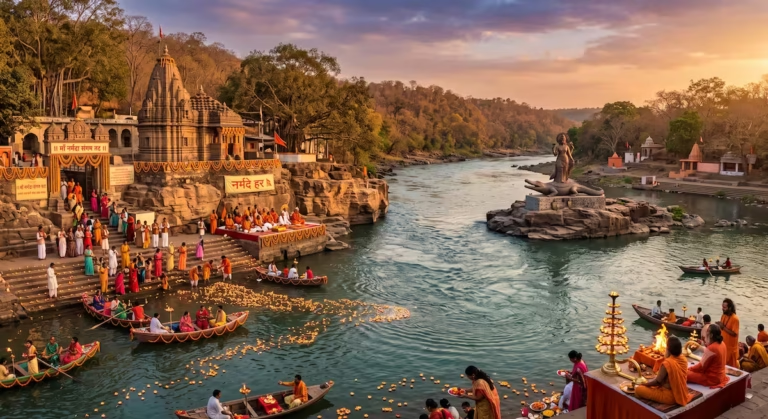
Devotees commonly address the river as Maa Narmada, or Mother Narmada. This name reflects a personal devotional relationship with the river. Pilgrims offer prayers, flowers and lamps at its banks, and many greet the river with Narmade Har. The river is treated with the respect given to a mother who gives life and spiritual nourishment. During Narmada Parikrama, pilgrims often maintain a close daily relationship with the river through prayer, bathing and worship.
Narmada and Lord Shiva
Narmada has a strong traditional association with Lord Shiva. Shaiva traditions regard several places along the river as important centres of Shiva worship. Omkareshwar is one of the best-known examples, with the sacred Jyotirlinga located on the Narmada. The river is famous for naturally occurring smooth stones called Narmada Banalinga or Narmadeshwar Shiva Lingas. Devotees traditionally worship these stones as manifestations of Lord Shiva. This belief gives the Narmada a special place in Shaiva religious practice.
Narmada’s Sacred Landscape
The Narmada’s sacred character extends across its banks and surrounding settlements. Pilgrims encounter ancient ghats, temples, ashrams, tirthas and sangams along the river. Places such as Amarkantak, Omkareshwar and Maheshwar attract devotees throughout the year. River confluences, known as sangams, hold particular religious value. During Narmada Parikrama, these places become important points for prayer, rest and ritual worship.
Also read:
Religious Significance of Narmada River
Narmada and Lord Shiva
Narmada Temples
Narmada Ghats
Narmada Sangams
Religious Significance of Narmada Parikrama
Narmada Parikrama has deep religious importance in Hindu tradition. The pilgrimage turns walking into an act of worship, with the Narmada remaining the focus throughout the journey. Devotees follow established customs, visit sacred places and maintain daily prayers along the river. The practice also reflects traditional ideas of punya, religious merit, purification and spiritual liberation. Completing the full Parikrama carries special meaning for pilgrims who undertake it as a religious vow. The physical effort forms only one part of the practice. Faith, discipline and devotion give the pilgrimage its deeper religious purpose.
Parikrama as an Act of Devotion
Parikrama means circumambulation, but devotees see it as much more than walking around a sacred river. Each step becomes part of an act of worship. Pilgrims traditionally keep the Narmada on their right side as they follow the prescribed route along the river. They stop at temples, ghats and ashrams for prayer and rest. The practice demands regular worship, restraint and patience. For many devotees, this physical discipline expresses surrender to Maa Narmada and keeps their attention focused on faith throughout the pilgrimage.
Narmada Parikrama and Religious Merit
According to traditional Hindu belief, acts performed with sincere devotion can generate punya, or religious merit. Narmada Parikrama is regarded by devotees as one such sacred observance. Pilgrims follow religious customs, offer prayers and visit recognised tirthas along the river. Acts of charity, service and worship can form part of the pilgrimage experience. The idea of punya is not presented as a measurable reward. It belongs to Hindu religious thought, where sincere devotion and righteous conduct are believed to carry spiritual value.
Narmada Parikrama and Moksha
According to traditional Hindu belief, sacred pilgrimage can support spiritual purification and progress toward moksha, or liberation from the cycle of birth and death. Some devotees undertake Narmada Parikrama with this belief in mind. The practice encourages prayer, self-control, simplicity and detachment from everyday comforts. Pilgrims may spend months following the river and observing their chosen religious discipline. Moksha remains a matter of faith and Hindu philosophy, rather than a result that can be measured or guaranteed through completing the Parikrama.
The Importance of Completing the Sacred Cycle
Completing Narmada Parikrama carries deep religious meaning for devotees. A traditional Parikrama begins at a chosen sacred point and follows the river before returning to the starting area. Completing this cycle represents fulfilment of a religious vow and commitment. The pilgrimage can require months of walking, simple living and sustained discipline. Pilgrims face heat, rain, fatigue and difficult stretches along the route. Reaching the starting point again marks more than the end of physical travel. For devotees, it represents perseverance, fulfilment and completion of a sacred commitment.
Spiritual Significance of Narmada Parikrama
The spiritual significance of Narmada Parikrama lies in the discipline and devotion that shape the pilgrimage. The river remains the focus, but the pilgrim also spends months observing personal religious practices, accepting physical hardship and living with fewer comforts. A traditional Parikrama can cover well over 2,000 kilometres, depending on the route followed. The long period away from ordinary routines gives devotees time for prayer, reflection and self-discipline. These practices form an important part of the spiritual meaning associated with Narmada Parikrama.
A Journey of Faith and Surrender
For many devotees, Narmada Parikrama is an expression of complete faith in Maa Narmada. Pilgrims accept the demands of the pilgrimage and place their trust in the religious tradition they follow. Daily prayer, visits to sacred sites and continuous movement beside the river keep the mind focused on devotion. The journey also involves uncertainty. Accommodation, weather, food and physical conditions can change from day to day. Accepting these conditions becomes part of the devotional practice. Surrender here means placing personal expectations aside and following the pilgrimage with faith.
Narmada Parikrama as Tapasya
In Hindu spiritual traditions, tapasya refers to disciplined practice that requires effort, restraint and endurance. Narmada Parikrama contains many elements associated with this idea. Pilgrims can spend months walking long distances, living simply and following religious rules. Heat, rain, fatigue and unfamiliar surroundings add physical demands. Daily routines require patience and self-control. Food choices, sleeping arrangements and travel plans may remain basic. These hardships are not the purpose of the pilgrimage by themselves. Devotees accept them as part of a disciplined religious practice focused on devotion and spiritual growth.
Detachment From Everyday Life
Narmada Parikrama creates distance from many routines of ordinary life. Pilgrims often carry limited belongings and stay in ashrams, temples or simple accommodation. Their days revolve around walking, prayer, meals and rest. Regular work, shopping and other daily responsibilities take a temporary back seat. This simpler way of living reflects the Hindu idea of vairagya, or detachment. For devotees, reduced material comfort can create more time for prayer and contemplation. The experience differs for every pilgrim and does not produce the same inner response for everyone.
Inner Transformation and Self-Reflection
Long periods of walking and simple living can give pilgrims considerable time for reflection. Devotees may think about their choices, relationships, responsibilities and faith. Patience becomes part of daily life during difficult stretches of the route. Physical fatigue can also require acceptance rather than resistance. Many pilgrims describe gratitude for food, shelter, companionship and the river itself. Such experiences can support resilience and self-reflection, but these are personal outcomes rather than guaranteed results. The spiritual value of the Parikrama remains rooted in each pilgrim’s faith and practice.
Why Does the Physical Journey Matter?
The physical journey matters because Narmada Parikrama is traditionally understood as a practice of devotion, not simply a visit to a holy river. A temple visit can take a few hours, but Parikrama places the devotee beside the Narmada for an extended period. Traditional pilgrims walk for months, following the river through villages, forests, towns, ghats and sacred sites. The physical effort becomes part of the religious observance. Walking, resting, praying and continuing each day create a rhythm that gives the pilgrimage its distinctive spiritual character.
Why Not Simply Visit the Narmada?
Visiting the Narmada can be deeply devotional, but Parikrama follows a different religious tradition. The pilgrim does not simply arrive at a sacred site, offer prayers and leave. The river remains the focus throughout the journey. Traditional pilgrims follow its course and observe religious practices along the way. The extended period creates a sustained commitment to worship and discipline. For devotees, completing the Parikrama carries meaning that a short visit cannot provide. The effort itself forms part of the religious observance.
Walking as a Form of Spiritual Discipline
Walking gives physical form to devotion. A pilgrim may walk for several hours each day, then stop at an ashram, temple or village for food and rest. Heat, rain, fatigue and changing terrain require patience. The pilgrim must keep following the chosen discipline despite these challenges. In Hindu practice, such controlled effort can form part of tapasya. The body accepts effort, the mind learns patience and faith provides the reason to continue. The distance is not treated as a sporting achievement. It is part of the religious practice.
Body, Mind and Faith on the Pilgrimage
Narmada Parikrama brings together body, mind, faith, discipline, place and time. The body experiences long hours of walking. The mind adjusts to simple routines and changing conditions. Faith gives the practice its religious purpose. Discipline shapes daily conduct. Sacred places give the journey a clear spiritual setting. Time allows these practices to continue for weeks or months. A pilgrim walking beside the Narmada at dawn experiences something very different from a short temple visit. The physical setting, daily rhythm and religious intention work together to define the Parikrama experience.
Scriptural and Traditional Significance of Narmada Parikrama
The religious importance of Narmada Parikrama draws from Hindu scriptures, pilgrimage traditions and stories passed through generations. The Reva Khand of the Skanda Purana gives Narmada a prominent place in Hindu sacred literature. Later traditions further developed the river’s importance through the Narmada Mahatmya, pilgrimage customs and accounts of saints and sages. These sources do not all belong to the same period or carry the same historical status. It is useful to separate scriptural references from later religious traditions and local folklore.
Narmada in the Skanda Purana
The Skanda Purana is one of the major Hindu Puranas, and its Reva Khand contains extensive material connected with the Narmada. It describes sacred places, religious practices and the spiritual value associated with the river. The text presents Narmada as a sacred river and gives importance to pilgrimage along its banks. These references form part of the traditional religious foundation behind Narmada pilgrimage. For devotees, the presence of Narmada traditions in the Skanda Purana adds scriptural depth to practices such as worship, bathing and pilgrimage.
Narmada Mahatmya and Sacred Traditions
Narmada Mahatmya refers to sacred literature and traditions describing the religious importance of the Narmada. It includes accounts of holy places, deities, sages and the spiritual value associated with the river. These traditions helped establish many locations along the Narmada as pilgrimage centres. Amarkantak, Omkareshwar and Maheshwar are among the best-known places connected with Narmada worship. The Narmada Mahatmya should be understood within the wider tradition of Hindu pilgrimage literature, rather than treated as a single modern historical document.
Saints, Sages and the Narmada
Traditional accounts associate the Narmada region with numerous sages, ascetics and spiritual teachers. The river’s forests, hills and secluded banks provided places for meditation and religious practice. Amarkantak, the source of the Narmada, has long held importance in Hindu pilgrimage traditions. Omkareshwar became a major centre of Shaiva worship, and many ashrams developed along the river. Stories about sages often connect specific places with meditation, penance and divine encounters. These accounts remain part of the oral and religious heritage surrounding Narmada pilgrimage.
Legends Associated With Narmada Parikrama
Narmada traditions include many stories about the river’s origin, Lord Shiva, sages and sacred places. Some accounts appear in religious texts, while others come from later devotional traditions and local folklore. These categories should not be treated as identical. A scriptural reference has a different source from an oral story preserved by pilgrims or local communities. Together, these traditions help explain why the Narmada carries such deep religious meaning for devotees.
Also read:
Narmada in Hindu Scriptures
Narmada Mahatmya
Narmada Legends
Saints and Sages of Narmada
Narmada Parikrama and Sacred Geography
Narmada Parikrama is rooted in a form of sacred geography where the river itself becomes the centre of worship. Pilgrims do not travel only between famous temples. They follow the Narmada through villages, forests, towns, ghats, ashrams, tirthas and river confluences. Places such as Amarkantak, Omkareshwar and Maheshwar are important stops, but the religious experience extends far beyond these well-known centres. The river connects these places into one continuous pilgrimage tradition.
The Narmada as a Living Pilgrimage Landscape
The Narmada is experienced as a sacred presence throughout the Parikrama. A pilgrim may begin the day beside the river, pass through a small village and later stop at an old shrine or ghat. Each place can carry its own local tradition. This creates a pilgrimage that changes from one stretch to another without losing its central focus. The river provides the common thread connecting thousands of individual religious experiences across its banks.
Tirthas, Ghats and Temples Along the River
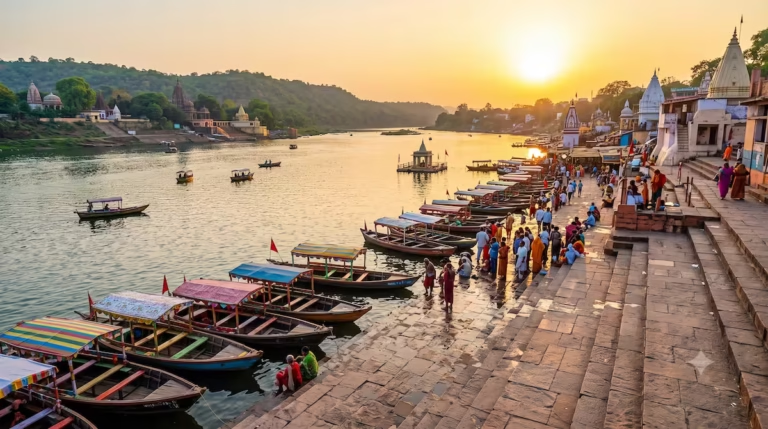
Tirtha means a sacred place associated with spiritual crossing or pilgrimage. Narmada pilgrims visit many such places during their Parikrama. Ghats provide spaces for bathing, prayer and offerings, while temples connect the river with different deities and local traditions. Omkareshwar, with its Jyotirlinga shrine, is one of the most important examples. Maheshwar is known for its historic ghats and temples along the river. Smaller shrines and village temples add another layer to the pilgrimage experience.
Ashrams and Spiritual Centres
Ashrams provide important spaces for pilgrims during the Parikrama. They can offer food, accommodation, prayer spaces and opportunities for interaction with sadhus and other devotees. Some have served pilgrims for generations. Their role goes beyond providing shelter. Ashrams help preserve local religious customs and give pilgrims places for prayer, meditation and rest. For many Parikrama walkers, these centres become an important part of their daily religious routine.
Sangams and Their Religious Importance
A sangam is the meeting point of two rivers, and Hindu tradition often regards such confluences as sacred. Along the Narmada, different tributaries meet the main river at places associated with local worship and pilgrimage. Pilgrims may stop at these points for prayer and ritual observance. Sangams add another dimension to Narmada’s sacred geography. They show that the pilgrimage is not simply a sequence of famous temples. The river, its tributaries and the places around them form one connected sacred setting.
Also read:
Narmada Ghats
Narmada Ashrams
Narmada Sangams
Narmada Pilgrimage Places
Cultural Significance of Narmada Parikrama
Narmada Parikrama remains a living religious tradition rather than a practice preserved only in old texts. Pilgrims continue to walk along the river, stay in villages and ashrams, visit temples and follow customs passed through generations. The practice brings together people from different parts of India and creates regular contact between pilgrims and communities along the river. Its cultural value lies in this continuing participation. Stories, prayers, hospitality, local customs and pilgrimage practices keep changing with each generation while retaining their connection with Maa Narmada.
A Living Pilgrimage Tradition
Narmada Parikrama continues through direct participation rather than formal religious instruction alone. Pilgrims learn customs from family members, sadhus, priests and experienced Parikramavasis. They follow traditional practices such as offering prayers, respecting the river and visiting sacred places along the route. Some pilgrims undertake the Parikrama as part of a personal vow. Others follow a family tradition or begin after years of spiritual preparation. This ongoing participation keeps Narmada Parikrama connected with present-day religious life.
Connection With Villages and Local Communities
The pilgrimage creates a close relationship between walkers and communities along the Narmada. Pilgrims often depend on local villages for food, water, shelter and directions. In many places, families offer meals or accommodation as an act of religious service. Small temples and community spaces can become regular stopping points. These interactions allow local customs, stories and forms of worship to reach visitors from distant regions. The relationship works both ways, as pilgrimage also supports local religious and cultural activities.
Saints, Sadhus and Pilgrims
Sadhus and ascetics form an important part of Narmada’s pilgrimage culture. Some live in ashrams or spend long periods near the river. Pilgrims meet them for prayers, discussions and religious guidance. Experienced Parikramavasis often share practical knowledge about routes, customs and sacred places. These interactions create an informal system through which religious knowledge passes from one generation to another.
Preserving Narmada’s Cultural Heritage
Narmada Parikrama helps preserve traditions that exist beyond written records. Local legends, devotional songs, temple customs, pilgrimage routes and stories about sacred places continue through regular use. Villages and ashrams play an important role in this process. Each generation of pilgrims adds new experiences while retaining older practices. The result is a living cultural tradition connected to the river, its communities and the religious identity of the Narmada region.
Environmental Significance of Narmada Parikrama
The environmental significance of Narmada Parikrama comes from the close relationship between pilgrims and the river. Devotees spend extended periods beside the Narmada and see its water, banks, forests and settlements at close range. This creates an opportunity to connect religious practice with responsible care for nature. The Narmada flows for about 1,312 kilometres from Amarkantak to the Arabian Sea. Protecting such a large river system requires attention to water quality, waste, riverbanks and surrounding ecosystems.
Reverence for the Narmada River
Devotees address the river as Maa Narmada and treat its water as sacred. Prayer, bathing and offerings form part of traditional worship at many ghats. This religious relationship can encourage respect for the river and its surroundings. Sacred status alone does not protect a river, though. Clean water, healthy riverbanks and responsible human activity remain necessary for the Narmada to support communities and ecosystems.
Pilgrimage and Responsibility Toward Nature
Pilgrims can reduce their environmental impact through simple choices. Carrying reusable water bottles, avoiding single-use plastic, keeping food waste away from the river and using designated waste facilities can help protect riverbanks. Devotees can respect local forests and avoid damaging vegetation near camps and walking routes. Ashrams, temples and local communities can support these practices through better waste management and clear guidance. Pilgrimage creates an opportunity for responsible behaviour, but participation alone does not guarantee environmental protection.
Why Protecting the Narmada Matters
The Narmada supports millions of people through drinking water, agriculture, fisheries and other uses across Madhya Pradesh, Maharashtra and Gujarat. Its basin covers roughly 98,800 square kilometres. Pollution, untreated wastewater, excessive waste and damage to riverbanks can affect both people and wildlife. Protecting the river also protects the religious places that depend on its waters and banks. For pilgrims, caring for the Narmada can become a practical expression of reverence. Clean ghats, responsible waste disposal and protection of natural areas help preserve the river for future generations.
What Makes Narmada Parikrama Different From Other Pilgrimages?
Narmada Parikrama has a distinctive place among Indian pilgrimage traditions. Many pilgrimages focus on reaching a temple, shrine or sacred city. Here, the Narmada River itself remains the central object of devotion. The traditional practice involves following the river along both banks and visiting sacred places on the way. The full journey can take several months and cover more than 2,000 kilometres, depending on the route and customs followed. This combination of river worship, physical effort, time and continuous religious practice gives Narmada Parikrama its unique character.
The River Itself Is the Centre of Pilgrimage
The main focus of Narmada Parikrama is not a single temple or shrine. It is the river itself. Devotees traditionally treat Maa Narmada as a sacred presence and organise the pilgrimage around her course. Temples, ghats and ashrams become important stopping points, but they remain connected to the river. This creates a different religious experience. A pilgrim can spend hours walking beside the water without needing to reach a famous monument. The river remains the constant focus of prayer and devotion.
A Journey Along Both Banks of the River
Traditional Narmada Parikrama follows the river from its source region near Amarkantak, along one bank, toward the Arabian Sea, and then back along the opposite bank. Pilgrims follow established customs about crossing the river and completing the circuit. The route passes through Madhya Pradesh, Maharashtra and Gujarat. The exact path varies among pilgrims, so the distance and duration can differ. This continuous movement around the river gives the Parikrama its distinctive circular form.
Months of Physical and Spiritual Discipline
Narmada Parikrama is not a short pilgrimage. A traditional full Parikrama can take several months, with some pilgrims spending a year or longer on the route. Daily walking, simple accommodation, religious observances and changing weather demand patience. Pilgrims may face heat, monsoon conditions and difficult stretches of road or trail. The physical effort becomes part of the religious discipline rather than a separate challenge. Each day combines walking, prayer, rest and service.
A Continuous Relationship With the Sacred Landscape
The Parikrama creates an ongoing connection with the places along the Narmada. Pilgrims pass through villages, forests, ghats, temples, ashrams and river confluences. A small shrine can hold as much personal meaning as a major temple. This continuity makes the entire route part of the sacred experience. The pilgrimage is shaped not only by destinations but by daily contact with the river and the communities that live beside it.
Also read:
Narmada Parikrama Route
Narmada Parikrama Distance
Narmada Parikrama Duration
What Does Completing Narmada Parikrama Represent?
Completing Narmada Parikrama carries deep religious meaning for devotees. The return to the starting point marks the completion of a long period of prayer, discipline and commitment. A traditional Parikrama can take several months and cover more than 2,000 kilometres, depending on the route followed. For pilgrims, reaching the end is not simply a physical achievement. It represents the fulfilment of a religious commitment and the completion of a sacred cycle. The meaning varies from person to person, but devotion and gratitude remain central themes.
Fulfilment of a Sacred Vow
Many devotees begin Narmada Parikrama with a sankalp, or sacred resolve. The pilgrimage then becomes a commitment to follow established religious practices until the circuit is complete. Returning to the starting point can represent fulfilment of that vow. Some pilgrims undertake the Parikrama after making a personal religious promise, while others follow a family or spiritual tradition. Completing the circuit gives that commitment a clear beginning and ending.
Perseverance and Devotion
A full Parikrama demands sustained effort over a long period. Pilgrims can face intense summer heat, monsoon rain, fatigue and difficult walking conditions. They continue their daily routine through these challenges. This persistence has religious value for devotees. The ability to keep walking, praying and following their chosen discipline reflects commitment to Maa Narmada. The physical effort does not define the pilgrimage by itself. Faith gives that effort its deeper purpose.
Completion of a Spiritual Cycle
The traditional Parikrama follows the Narmada around its course and returns to the starting region. This circular movement gives completion a strong religious meaning. The pilgrim has spent months following the river, visiting sacred places and maintaining devotional practices. Returning to the beginning marks the closing of that cycle. For many devotees, it represents completion of a personal period of discipline, prayer and reflection.
Gratitude Toward Maa Narmada
Completion can also become an expression of gratitude toward Maa Narmada. Pilgrims may offer prayers at the end of the Parikrama and thank the river for guiding them through the journey. The return marks a moment of devotion, reflection and fulfilment. For many devotees, completing the circuit is a deeply personal religious experience.
Traditional Beliefs and Modern Understanding
Narmada Parikrama brings together religious tradition and personal experience. Devotees follow practices that have developed over generations, yet each pilgrim can understand the journey differently. Some seek blessings, others fulfil a vow, and many value the discipline and time spent beside the river. A trustworthy account should respect these beliefs without presenting spiritual claims as scientifically proven facts. Clear language helps readers understand which statements come from Hindu tradition and which describe personal experiences.
What Devotees Traditionally Believe
According to Hindu tradition, Narmada Parikrama carries religious value through devotion, discipline and pilgrimage. Devotees believe that worshipping Maa Narmada and completing the Parikrama can bring spiritual merit and purification. Some pilgrims undertake the journey with a sankalp, or sacred resolve. Traditional accounts describe the Narmada as a particularly sacred river and connect it with Lord Shiva. These beliefs form an important part of the religious identity of the Parikrama.
Belief, Faith and Personal Experience
Faith gives different pilgrims different reasons for undertaking the Parikrama. One person may seek blessings, another may fulfil a religious vow, and another may value time for prayer and reflection. Many pilgrims consider the months spent walking beside the Narmada deeply meaningful. Their experiences can include greater patience, gratitude or a stronger sense of devotion. These are personal experiences, not measurable outcomes that every pilgrim will experience in the same way.
How to Discuss Spiritual Benefits Responsibly
Spiritual benefits should be presented within their religious context. Phrases such as “devotees believe,” “according to Hindu tradition,” “traditional accounts describe” and “many pilgrims consider” make the distinction clear. Claims about moksha, purification or divine blessings belong to Hindu religious belief and should not be presented as scientifically established results. This approach respects the faith behind Narmada Parikrama while giving readers accurate information about what tradition teaches and what pilgrims personally experience.
Frequently Asked Questions About the Significance of Narmada Parikrama
What is the spiritual significance of Narmada Parikrama?
The spiritual significance of Narmada Parikrama comes from devotion, surrender, discipline and continuous worship. Devotees traditionally walk along both banks of the Narmada and treat the river as Maa Narmada. The months spent walking, praying and living simply give the pilgrimage a strong spiritual character. Many pilgrims see the practice as a period of personal reflection.
Why is Narmada Parikrama important in Hinduism?
Narmada Parikrama is important in Hinduism due to the river’s sacred status and long pilgrimage tradition. Devotees visit temples, ghats, ashrams and tirthas during the circuit. The Reva Khand of the Skanda Purana contains traditions connected with Narmada. Many pilgrims undertake the Parikrama as an act of devotion, religious discipline or fulfilment of a sacred vow.
Why is Narmada considered sacred?
Narmada is considered sacred in Hindu tradition and is commonly worshipped as Maa Narmada. Religious literature, temples and pilgrimage traditions reinforce this belief. The river also has a strong association with Lord Shiva, especially through Omkareshwar and the tradition of Narmada Banalinga. Amarkantak, the river’s source, is another important centre of Narmada worship and pilgrimage.
Why do devotees walk around the Narmada River?
Devotees walk around the Narmada as an act of Parikrama, or sacred circumambulation. The river remains the central object of devotion throughout the journey. Traditional pilgrims follow the river along one bank, reach its lower course and return along the opposite bank. The long physical practice allows devotees to maintain a sustained routine of prayer, discipline and worship.
What does Narmada Parikrama symbolize?
Narmada Parikrama symbolizes devotion, perseverance, surrender and the completion of a sacred cycle. The circular movement around the river reflects continuity and religious commitment. The long period of walking also represents sustained discipline. For many devotees, returning to the starting point marks the fulfilment of a sankalp, or sacred resolve, and completes an important period of prayer and spiritual practice.
What are the spiritual benefits of Narmada Parikrama?
According to Hindu tradition, devotees believe Narmada Parikrama can support spiritual purification and generate punya, or religious merit. Some pilgrims undertake it while seeking blessings or spiritual progress. The discipline of simple living, prayer and long-distance walking can encourage personal reflection. These benefits belong to religious belief and personal experience, so they should not be treated as guaranteed or scientifically proven outcomes.
Is Narmada Parikrama mentioned in Hindu scriptures?
Narmada pilgrimage traditions appear in Hindu sacred literature, especially the Reva Khand associated with the Skanda Purana. The text describes Narmada, sacred places and religious practices connected with the river. The broader Narmada Mahatmya tradition further describes the river’s sacred character. These sources form part of the religious foundation for pilgrimage traditions associated with Narmada.
Why is Narmada Parikrama considered a form of tapasya?
Narmada Parikrama is considered tapasya by many devotees due to its demands for discipline, restraint and endurance. Traditional pilgrims can spend several months walking long distances while following religious customs and living with limited comforts. Heat, rain, fatigue and changing conditions add physical challenges. The effort is accepted as part of a disciplined spiritual practice rather than treated as an athletic achievement.
Final Thoughts: Why Narmada Parikrama Still Matters
Narmada Parikrama continues to matter through four connected dimensions. Religiously, it expresses devotion, sacred vows and long-standing Hindu pilgrimage traditions. Spiritually, months of walking, prayer and simple living can create space for discipline and reflection. Culturally, the practice connects pilgrims with villages, ashrams, temples, saints and customs along the Narmada. Environmentally, it creates a direct relationship with a river that stretches about 1,312 kilometres from Amarkantak to the Arabian Sea. This connection also reminds pilgrims of their responsibility toward the river and its surroundings. Narmada Parikrama is not simply a journey measured in kilometres. It is traditionally understood as a practice of faith, discipline, surrender and devotion to Maa Narmada. To understand the route, customs, sacred places and practical details, explore our Narmada Parikrama Guide.