Chandod Ghats: History, Religious Significance and Narmada River
Chandod is an important Narmada riverfront settlement in Vadodara district, Gujarat. The town stands at the confluence of the Narmada, Orsang, and Saraswati rivers.
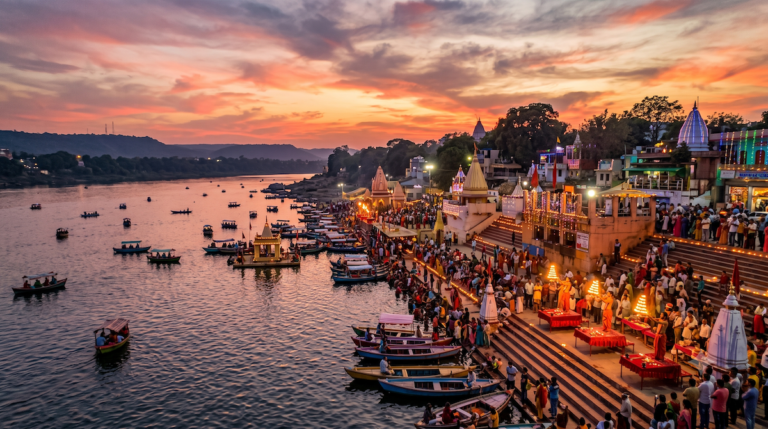
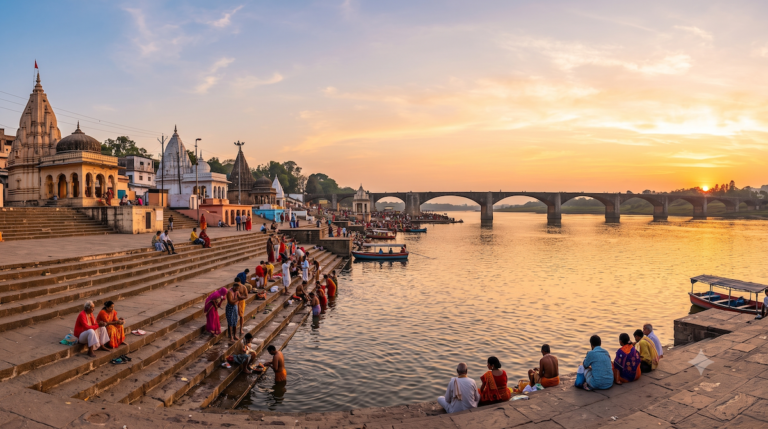
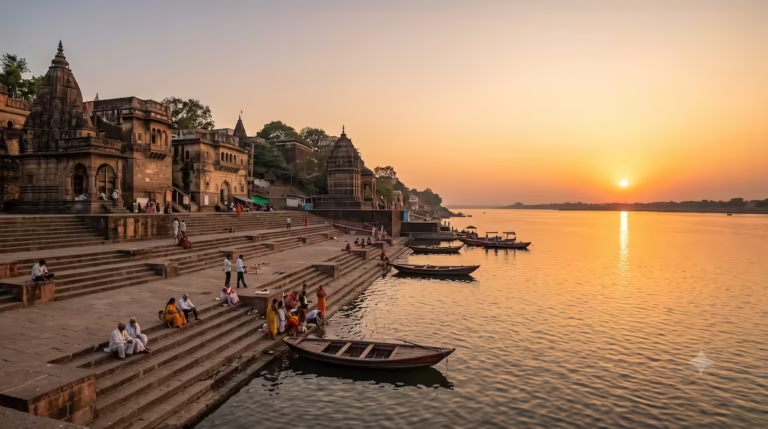
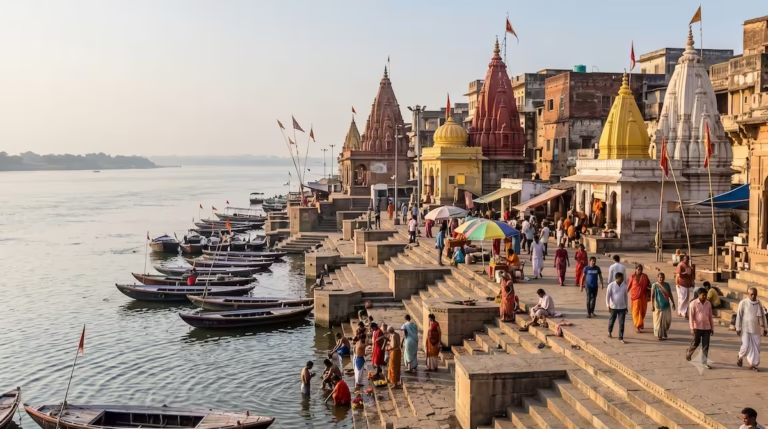
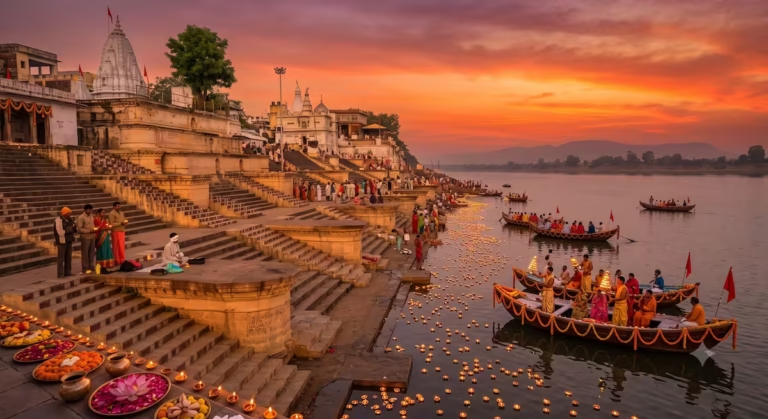
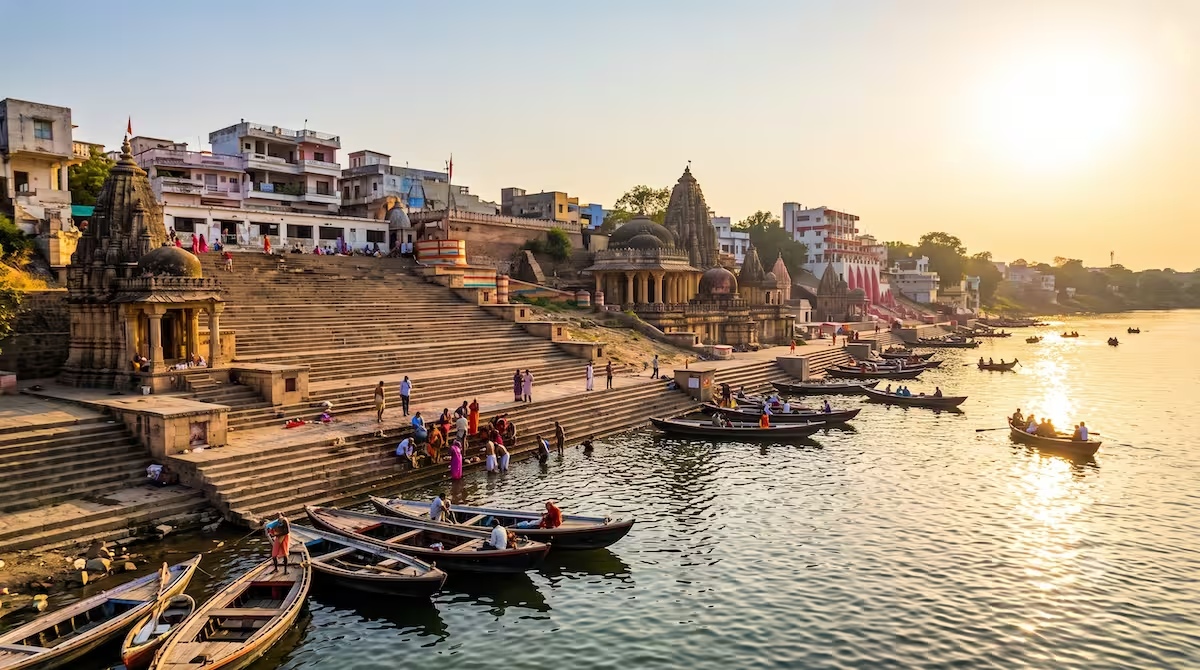
The Chandod riverfront is known for its ghats, temples, and religious activities. The confluence gives the area a special place in local Hindu traditions.
The ghats attract devotees, pilgrims, and visitors who come for prayer, bathing and religious ceremonies. Chandod is also connected with the traditional Narmada Parikrama route.
Where Are the Chandod Ghats?
Chandod is located in Dabhoi taluka of Vadodara district in Gujarat. The village stands near the confluence of the Narmada, Orsang, and Saraswati rivers. The Vadodara district administration lists Chandod Triveni Sangam as a religious destination.
The town is accessible by road from Vadodara and nearby parts of central Gujarat. Vadodara is an important transport centre for visitors travelling to Chandod.
The riverfront area includes bathing ghats and several temples. Gujarat Tourism also identifies bathing ghats at Chandod as part of the Narmada river attractions in the region.
History of Chandod
Chandod has developed around its position on the Narmada and its sacred river confluence.
The area has a long religious association with temples and pilgrimage activities. Gujarat Tourism describes Chandod as a city of temples and identifies its location at the confluence of the Narmada, Orsang and Saraswati rivers.
The religious importance of the confluence has helped Chandod remain an important pilgrimage centre in the Narmada region.
Historical details about the original construction of individual ghats are limited. The present importance of the riverfront comes mainly from its religious setting, temples, and location beside the Narmada.
Religious Significance of Chandod Ghats
Traditional Hindu belief regards river confluences as sacred places. Chandod has special importance because three rivers meet in this area.
The Vadodara district administration identifies Chandod as a sacred village with several temples. These include Kapileshwar Mahadev, Sheshashinarayan Mandir, Pingleshwar Mahadev and Kashi Vishwanath Mahadev.
The riverfront ghats provide places for devotees to pray, perform rituals and take a traditional bath.
Chandod is also an important site for Hindu funeral rites. The Vadodara district administration describes it as a major pilgrimage site for performing the last rites of the dead.
Visitors should maintain a respectful atmosphere around religious ceremonies and funeral activities.
Narmada Worship at Chandod Ghats
Narmada worship forms part of religious life in many settlements along the river.
At Chandod, devotees visit the riverfront for prayer, ritual bathing and other traditional practices. The presence of the Triveni Sangam adds another religious dimension to these activities.
Traditional belief gives special importance to bathing at sacred confluences. Such beliefs belong to Hindu religious tradition and should not be presented as scientific claims.
Visitors can observe the riverfront from the ghats and learn about local customs. They should follow instructions from priests and local authorities during religious ceremonies.
Chandod Ghats and Triveni Sangam
The Triveni Sangam is one of Chandod’s main religious attractions. The Vadodara district administration identifies the meeting point of the Narmada, Orsang and Saraswati rivers at Chandod.
The confluence is traditionally regarded as a sacred place. Devotees visit the area for worship, ritual bathing and ceremonies.
The riverfront around the confluence can become busier during religious occasions and festivals. Water conditions can change with the season, so visitors should take local advice before entering the river.
Chandod Ghats and Narmada Parikrama
Narmada Parikrama is a traditional pilgrimage around the Narmada River. Pilgrims travel along both banks and visit temples, ghats, ashrams and other sacred places.
Chandod appears on traditional Narmada Parikrama routes through Gujarat. Pilgrimage route sources identify Chandod among the important religious stops along the northern bank.
Pilgrims visiting Chandod can spend time at the ghats and nearby temples. The town can serve as a religious stop during the Gujarat section of a Parikrama.
The exact route and stopping pattern can vary between pilgrims. Traditional practices, local conditions and the chosen route can affect the journey.
Important Religious Places Near Chandod Ghats
Several temples are located around Chandod and the river confluence.
Kapileshwar Mahadev
Kapileshwar Mahadev is one of the temples listed by the Vadodara district administration at Chandod. The temple forms part of the area’s Shaiva religious tradition.
Sheshashinarayan Mandir
Sheshashinarayan Mandir is another religious site associated with Chandod. Visitors can include it with a visit to the riverfront and Triveni Sangam.
Pingleshwar Mahadev
Pingleshwar Mahadev is among the temples identified at Chandod by the district administration. It adds to the town’s concentration of Narmada-related religious sites.
Kashi Vishwanath Mahadev
Kashi Vishwanath Mahadev is another Shiva temple listed among Chandod’s religious places. Visitors can combine temple visits with time at the Narmada ghats.
Chandod Ghats and Religious Ceremonies
Chandod is known for religious ceremonies connected with the river and the sacred confluence.
The town has particular importance for Hindu last rites. Families visit Chandod to perform traditional funeral and post-funeral rituals. The district administration specifically identifies the town as a major pilgrimage site for these ceremonies.
Visitors should avoid unnecessary photography during private religious ceremonies. A respectful approach is especially important around funeral activities.
Places to Visit Near Chandod Ghats
Chandod can be combined with other Narmada destinations in central Gujarat.
- Karnali: A nearby Narmada pilgrimage centre associated with Kuber Bhandari Temple.
- Garudeshwar: A major religious destination along the Narmada with temples and spiritual institutions.
- Poicha: Known for its Narmada riverfront and religious attractions.
- Dabhoi: A historic town with heritage structures and old fortifications.
- Vadodara: A major city with temples, museums, palaces and transport connections.
Gujarat Tourism identifies Chandod and Garudeshwar bathing ghats among attractions that can be visited from the Narmada region.
Best Time to Visit Chandod Ghats
October to March is generally comfortable for visiting the Chandod riverfront.
Morning and late afternoon are suitable for spending time near the Narmada. Summer afternoons can become hot, so plan outdoor activities during cooler hours.
Religious festivals can attract larger crowds. Check local conditions before travelling during major festival periods.
The river can change significantly with seasonal conditions and water releases. Follow local safety instructions near the water.
How to Reach Chandod Ghats
Chandod can be reached by road from Vadodara and nearby towns in Gujarat.
Vadodara is a useful transport base for visitors travelling to Chandod. The city has major road and rail connections, along with an airport.
Gujarat Tourism notes that Chandod is accessible by road and lists Vadodara as an important nearby transport centre.
Local taxis and private vehicles are practical choices for reaching the riverfront and visiting nearby Narmada destinations.
What to Do at Chandod Ghats
- Spend time beside the Narmada.
- Visit the Triveni Sangam.
- Offer prayers according to local tradition.
- Visit the temples around Chandod.
- Observe traditional Narmada worship.
- Learn about the religious importance of the confluence.
- Visit nearby Karnali and Garudeshwar.
- Include Chandod during a Narmada Parikrama.
Avoid entering the river during strong currents or unsafe conditions. Follow local instructions around the ghats.
Chandod Ghat Travel Tips
Carry drinking water during summer visits. Wear comfortable footwear for walking between the ghats and temples.
Dress respectfully when visiting religious places. Follow temple rules and local customs during worship.
Keep plastic and other waste away from the river. Do not throw offerings or other materials into the water unless local religious arrangements permit them.
Take extra care around funeral ceremonies. Avoid photography when families are performing private rituals.
Check local river conditions before bathing or entering the water.
FAQs About Chandod Ghats
Where are the Chandod Ghats?
The Chandod Ghats are located at Chandod in Vadodara district, Gujarat. The settlement lies near the confluence of the Narmada, Orsang, and Saraswati rivers.
Why is Chandod important?
Chandod is important for its Narmada riverfront, sacred confluence, temples and religious traditions. The town is also known for Hindu funeral and last rites.
What rivers meet at Chandod?
The Narmada, Orsang and Saraswati rivers are identified as meeting at Chandod. The confluence is known as the Chandod Triveni Sangam.
Is Chandod part of Narmada Parikrama?
Chandod is included among important religious stops on traditional Narmada Parikrama routes through Gujarat. Pilgrims can visit the ghats and temples during their route.
Which temples can I visit near Chandod Ghats?
Important temples listed by the Vadodara district administration include Kapileshwar Mahadev, Sheshashinarayan Mandir, Pingleshwar Mahadev and Kashi Vishwanath Mahadev.
What is Chandod Triveni Sangam?
Chandod Triveni Sangam is the traditional name for the confluence of the Narmada, Orsang and Saraswati rivers. The site is regarded as sacred by many devotees.
Explore More Narmada Guides
Continue your journey with our guides to Narmada Ghats, Narmada Pilgrimage Places, Narmada Parikrama Route, Narmada Parikrama Rules, Narmada Ashrams and Narmada Sangams.