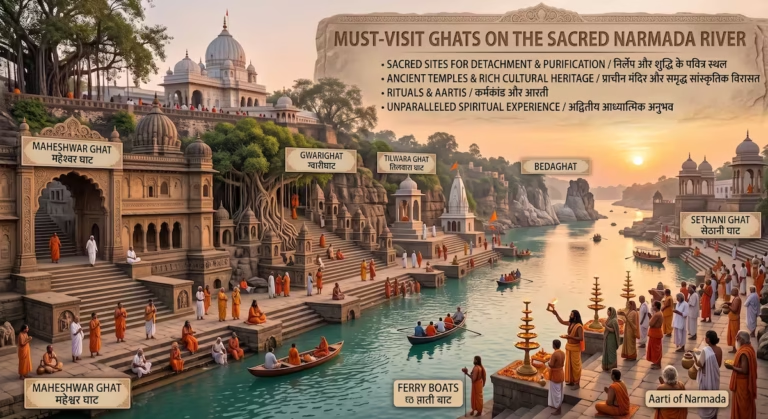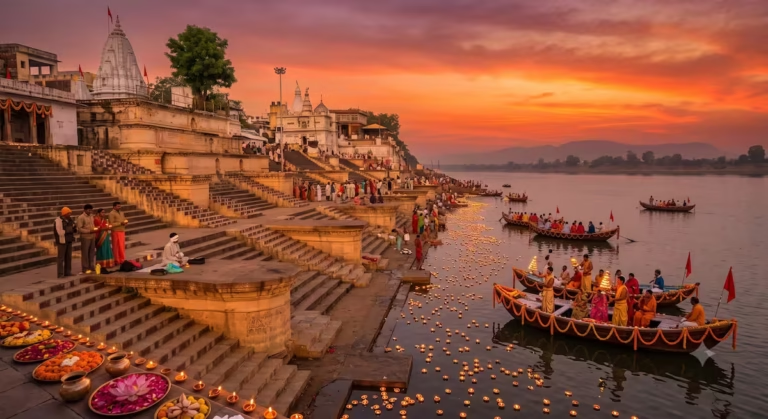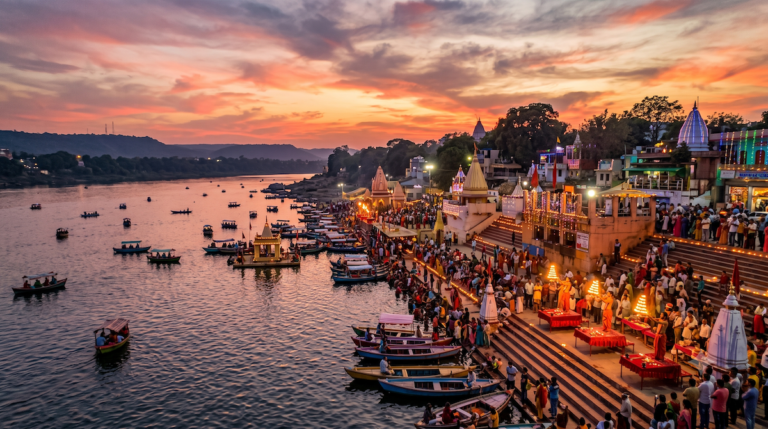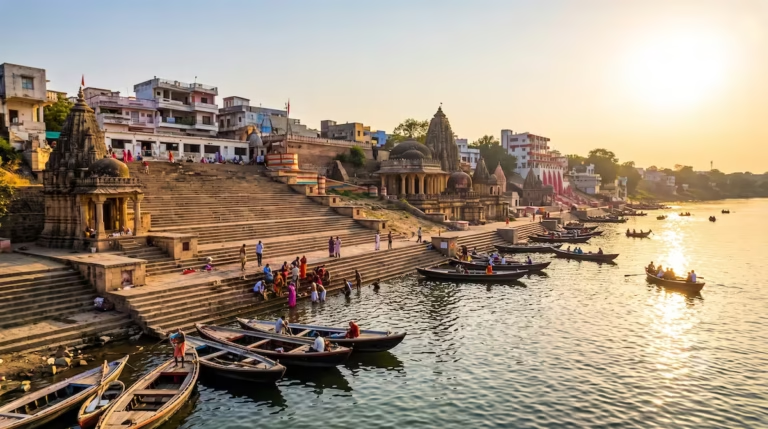
Tilwara Ghat Jabalpur: History, Religious Significance and Narmada River
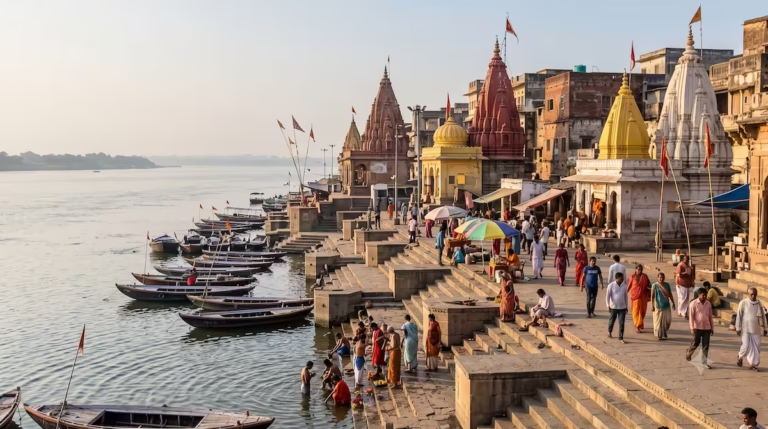
Tilwara Ghat is an important historic riverfront on the Narmada in Jabalpur, Madhya Pradesh. The ghat is associated with religious activities, Narmada worship and the history of the region.
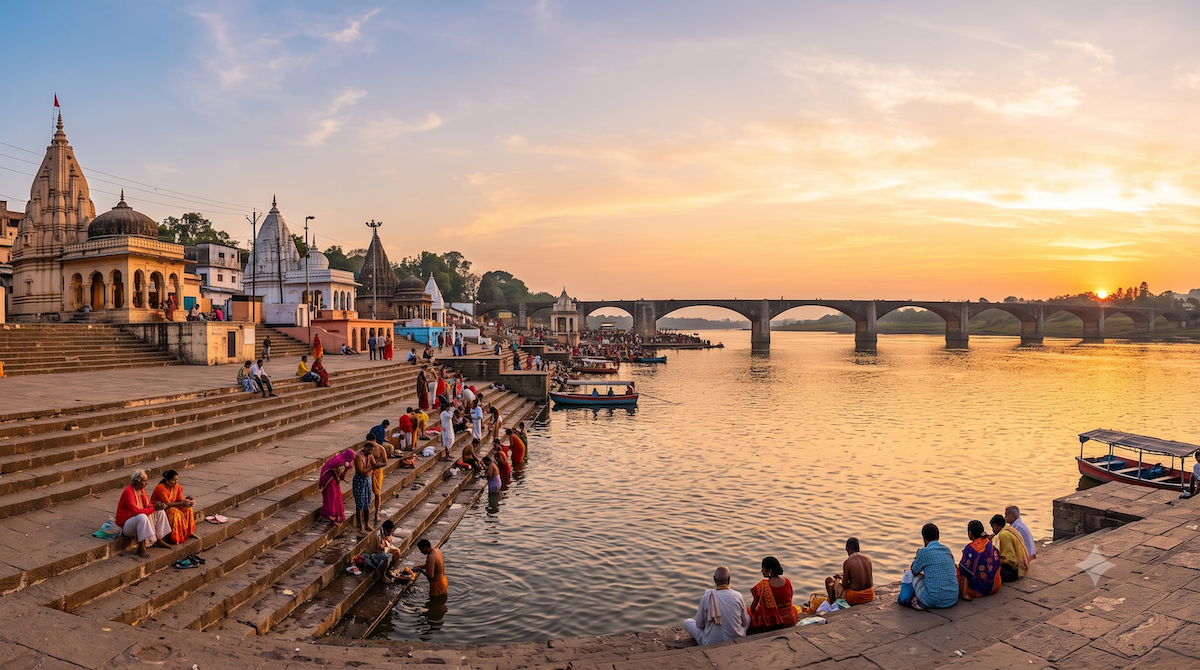
Located along the Narmada River, Tilwara Ghat offers a quieter experience than some of Jabalpur’s busier riverfront areas. Devotees visit for prayer and rituals, while visitors come to see the river and nearby historic sites.
Tilwara also has an important place in modern Indian history. The surrounding area is associated with the Tripuri session of the Indian National Congress held in 1939.
Where Is Tilwara Ghat?
Tilwara Ghat is located on the Narmada River in Jabalpur district of Madhya Pradesh. It lies within the wider Jabalpur urban area and can be reached by road from different parts of the city.
The ghat is connected with other Narmada attractions around Jabalpur. Gwarighat, Bhedaghat and Bargi can be included in a wider river and heritage itinerary.
The riverfront provides space for religious activities and quiet visits beside the Narmada.
History of Tilwara Ghat
Tilwara has both religious and historical importance in the Jabalpur region.
The Narmada riverfront has traditionally supported bathing, prayer, religious ceremonies and other activities connected with river worship. Tilwara developed as one of the recognised riverfront locations around Jabalpur.
Tilwara is also remembered for the Tripuri session of the Indian National Congress in 1939. The session was held at Tripuri, near Jabalpur, and Subhas Chandra Bose was elected Congress president at the session.
This historical association gives the wider Tilwara area importance beyond its connection with the Narmada.
Religious Significance of Tilwara Ghat
Traditional Hindu belief regards the Narmada as a sacred river. Riverfront places such as Tilwara provide devotees with an opportunity for prayer, worship and ritual activities.
Some visitors come to the ghat to offer prayers beside the river. Others spend time sitting near the water or performing traditional rituals.
The religious importance of the site comes from its connection with the Narmada and the wider traditions of river worship.
Religious practices can vary between families, communities and occasions. Visitors should follow local customs during ceremonies.
Tilwara Ghat and Narmada Worship
Narmada worship forms an important part of religious life at many riverfront locations in Madhya Pradesh.
Devotees may perform simple prayers, offer flowers or conduct other traditional rituals. Some pilgrims visiting Jabalpur also include Tilwara among the Narmada sites they visit.
The riverfront is particularly suitable for visitors who want a quieter setting for prayer or reflection.
Visitors should avoid leaving offerings or other material in the river when local arrangements provide designated places for them.
Tilwara Ghat and Narmada Parikrama
Narmada Parikrama is a traditional pilgrimage around the Narmada. Pilgrims follow the river while visiting sacred places, temples, ashrams and other religious sites along the route.
Tilwara lies along the Narmada in the Jabalpur region. Parikrama pilgrims travelling through this part of the river can visit the area depending on their route and daily stage.
Tilwara is not a compulsory stop for every Narmada Parikrama route. Different pilgrims follow different traditional routes and travel plans.
Historical Importance of Tilwara
Tilwara is closely associated with the Tripuri session of the Indian National Congress in 1939.
The session took place at Tripuri, near Jabalpur, and remains part of the political history of India’s independence movement. Subhas Chandra Bose was elected Congress president during the session.
This connection makes the wider area relevant to visitors interested in both Narmada heritage and India’s modern history.
Visitors can therefore include Tilwara in an itinerary that combines riverfront sites with historical places around Jabalpur.
Places to Visit Near Tilwara Ghat
Gwarighat
Gwarighat is another well-known Narmada riverfront in Jabalpur. It is particularly known for its evening Narmada Aarti and religious atmosphere.
Bhedaghat
Bhedaghat is famous for the Marble Rocks along the Narmada. Dhuandhar Falls is another major attraction in the area.
Bargi
Bargi is associated with the Narmada and the large Bargi reservoir. It provides a different setting from the urban riverfronts of Jabalpur.
These places can be combined with Tilwara for a broader Narmada-focused visit.
Best Time to Visit Tilwara Ghat
October to March is generally comfortable for visiting outdoor sites around Jabalpur. The weather is usually more suitable for spending time beside the river during these months.
Early morning and late afternoon can provide more comfortable conditions throughout much of the year.
Summer afternoons can become hot. Visitors should plan riverfront visits during cooler hours and carry drinking water.
Festival periods may bring larger crowds to religious sites around Jabalpur. Allow extra travel time during busy days.
How to Reach Tilwara Ghat
Tilwara Ghat can be reached by road from Jabalpur city. Local taxis, auto-rickshaws and private vehicles are commonly used for local travel.
Jabalpur is connected to major Indian cities by rail. Jabalpur Airport also provides air connections to selected destinations.
Travel time to Tilwara depends on the starting point, traffic and road conditions.
What to Do at Tilwara Ghat
- Spend time beside the Narmada
- Offer prayers according to local tradition
- Observe riverfront religious activities
- Learn about the area’s historical connection with Tripuri
- Visit Gwarighat and other nearby Narmada sites
- Include Tilwara in a wider Jabalpur itinerary
Respect local customs during religious activities. Avoid disturbing people performing rituals and follow local instructions near the river.
Tilwara Ghat Travel Tips
Visit during the cooler hours when possible, especially during summer.
Wear comfortable footwear if you plan to walk around the riverfront.
Carry drinking water and protect yourself from the sun during warmer months.
Keep personal belongings secure when visiting during busy periods.
Avoid entering the river unless conditions are safe and local guidance permits it.
Keep the riverfront clean and dispose of waste responsibly.
FAQs About Tilwara Ghat
What is Tilwara Ghat famous for?
Tilwara Ghat is known for its Narmada riverfront, religious traditions and connection with the history of Jabalpur. The wider Tilwara area is also associated with the Tripuri session of the Indian National Congress in 1939.
Where is Tilwara Ghat located?
Tilwara Ghat is located on the Narmada River in Jabalpur, Madhya Pradesh. It can be reached by road from different parts of the city.
What is the religious significance of Tilwara Ghat?
Traditional Hindu belief considers the Narmada sacred. Devotees visit Tilwara for prayer, worship and other religious activities beside the river.
Is Tilwara Ghat part of Narmada Parikrama?
Tilwara lies along the Narmada in the Jabalpur region and may be visited by Parikrama pilgrims. It is not a compulsory stop on every traditional route.
What places can I visit near Tilwara Ghat?
Gwarighat, Bhedaghat and Bargi are among the Narmada-related places that can be included in a Jabalpur itinerary.
Explore More Narmada Guides
Continue your journey with our guides to Narmada Ghats, Narmada Pilgrimage Places, Narmada Parikrama Route, Narmada Parikrama Rules, Narmada Ashrams and Narmada Sangams.