Rajghat Barwani: History, Religious Significance and Narmada River
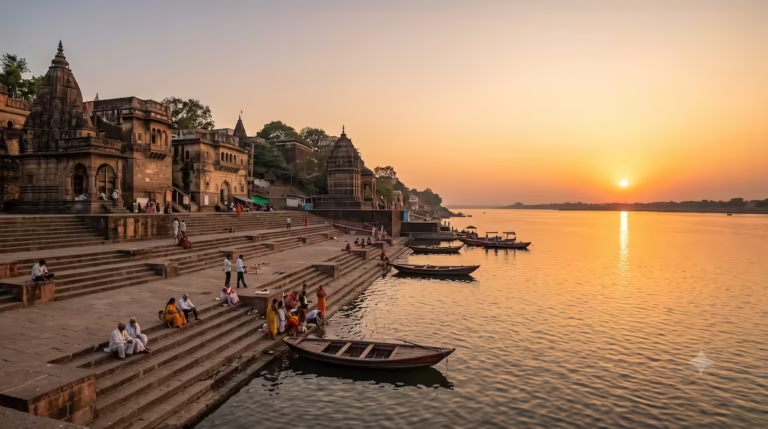
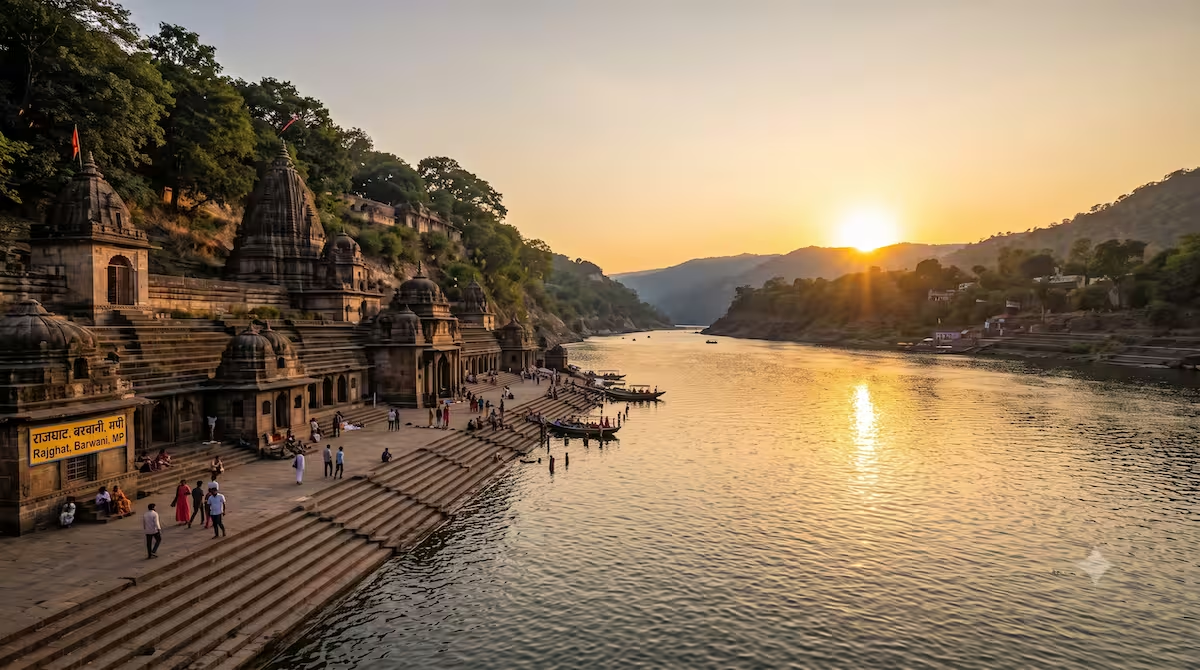
Rajghat is an important riverfront location on the Narmada in Barwani district, Madhya Pradesh. The ghat lies along the northern part of the district, where the Narmada forms the district’s northern boundary.
The area has a close connection with the Narmada and its riverfront traditions. Rajghat is known for its location beside the river and for infrastructure built around this section of the Narmada.
For visitors, Rajghat offers a quieter riverfront experience than larger pilgrimage towns such as Omkareshwar and Maheshwar.
Where Is Rajghat?
Rajghat is located in Barwani district in southwestern Madhya Pradesh. The Narmada forms the northern boundary of the district, and Barwani town lies south of the river.
The riverfront area connects with the wider Narmada region of western Madhya Pradesh. Visitors can reach Rajghat by road from Barwani and nearby towns.
The location can be included in a wider visit to Barwani’s religious, cultural and natural attractions.
History of Rajghat
Rajghat forms part of the historic Narmada region of western Madhya Pradesh. Detailed historical records about the original construction and early development of the ghat are limited.
The wider Barwani region has a long history linked with local rulers, tribal communities and the former Barwani princely state. The district’s recorded history includes periods under different regional powers, followed by Maratha and British influence.
Barwani became a separate district on 25 May 1998. Before that, the region formed part of Khargone district, which was earlier known as West Nimar.
Rajghat’s present importance comes mainly from its position along the Narmada and its connection with the surrounding Barwani region.
Religious Significance of Rajghat
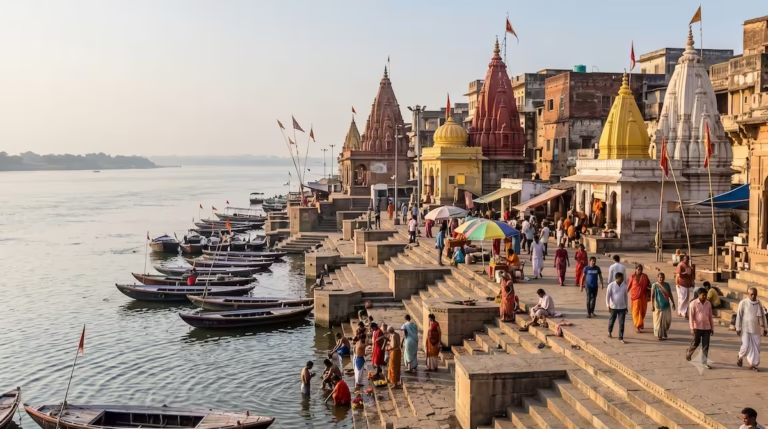
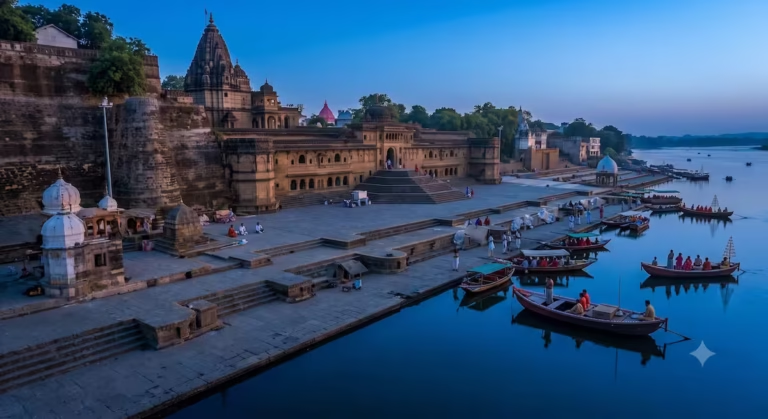
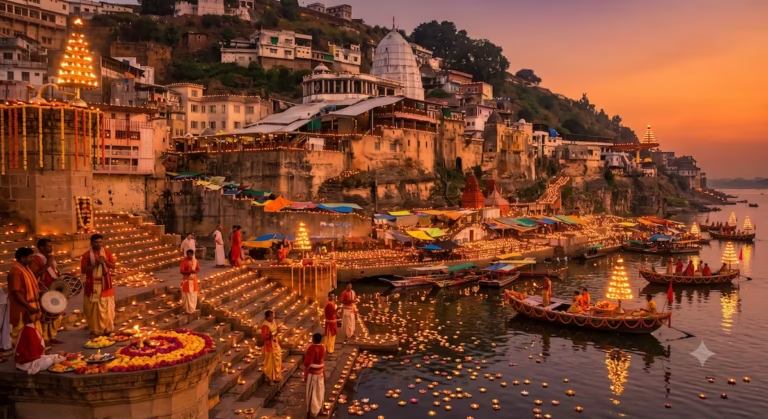
Traditional Hindu belief regards the Narmada as a sacred river. Riverfront places along the Narmada serve as sites for prayer, bathing and religious rituals.
Devotees visiting Rajghat can spend time beside the river, offer prayers and perform traditional activities linked with Narmada worship.
The religious character of the site comes mainly from its connection with the Narmada. The ghat does not depend on a large temple complex for its religious importance.
Visitors should respect local customs during religious activities. They should avoid disturbing people who are performing rituals.
Narmada Worship at Rajghat
Narmada worship forms part of religious life in many settlements along the river.
Rajghat gives visitors an opportunity to experience the Narmada in an open riverfront setting. People can sit beside the river, offer prayers or spend quiet time near the water.
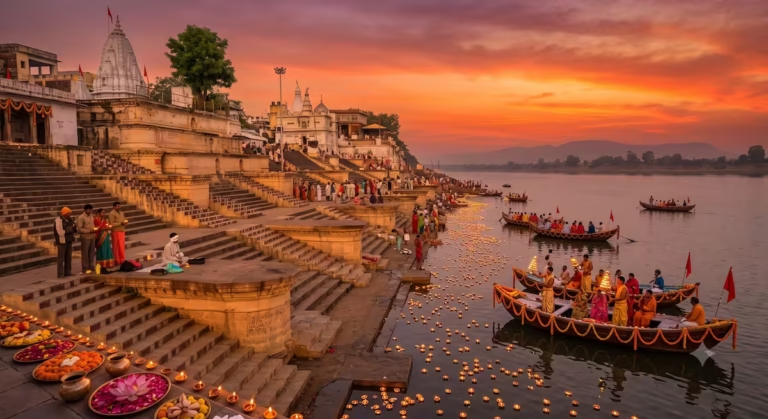
The Barwani district administration records Narmada-related religious activities in the district, including Narmada Aarti and Narmada Chunri ceremonies.
Religious activity can increase during festivals and special occasions. Visitors should follow local instructions during these events.
Rajghat and Narmada Parikrama
Narmada Parikrama is a traditional pilgrimage around the Narmada. Pilgrims follow the river and visit temples, ghats, ashrams and other sacred places.
The Barwani region lies along the Narmada and forms part of the western section of the river. Pilgrims travelling through this area can visit Rajghat during their journey.
Rajghat is not a compulsory stop on every Narmada Parikrama route. Traditional routes vary according to the pilgrim’s chosen path, customs and travel method.
Some pilgrims travel on foot and follow longer riverfront routes. Others use different forms of local transport during parts of their journey.
Rajghat and the Narmada River
The Narmada gives Rajghat much of its geographical and religious character.
The river forms the northern boundary of Barwani district. The district lies between the Satpura and Vindhya ranges and contains several areas connected with the Narmada.
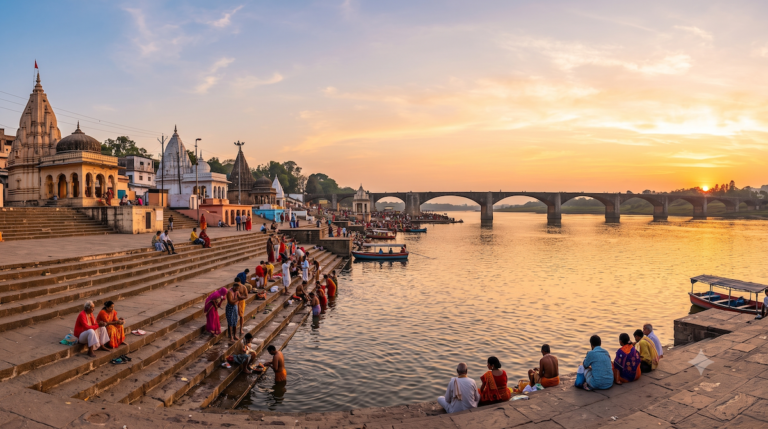
Rajghat also has infrastructure linked with the river. The Barwani district administration identifies a water conservation structure and a bridge at Rajghat across the Narmada.
These features make the area relevant to visitors interested in the river and the geography of western Madhya Pradesh.
Places to Visit Near Rajghat
Barwani
Barwani is the district headquarters and lies south of the Narmada. The town provides access to several cultural, historical and religious places.
Bawangaja
Bawangaja is an important Jain pilgrimage centre near Barwani. The site has eleven temples dating from the 15th century and a large statue of Lord Adinath.
Nagalwadi
Nagalwadi is associated with the Bhilat Dev temple in the Satpura hills. A major fair takes place there around Nag Panchami.
Narmada Riverfront
Visitors can explore other riverfront locations along the Narmada while travelling through Barwani and nearby parts of western Madhya Pradesh.
Best Time to Visit Rajghat
October to March is a comfortable period for visiting outdoor places around Barwani.
Early morning and late afternoon are suitable for spending time near the river. These hours are more comfortable during the warmer months.
Summer afternoons can become very hot. Carry drinking water and plan outdoor activities during cooler hours.
Festival periods can bring more visitors to religious sites across the district. Allow extra time for local travel during these occasions.
How to Reach Rajghat
Rajghat can be reached by road from Barwani and other parts of the district.
Barwani has road connections with nearby towns and cities in Madhya Pradesh. Devi Ahilya Bai Holkar Airport in Indore is the nearest major airport.
Local taxis and private vehicles are practical options for reaching Rajghat and nearby places.
Travel time depends on the starting point, traffic and road conditions.
What to Do at Rajghat
- Spend quiet time beside the Narmada
- Offer prayers according to local tradition
- Observe Narmada worship
- View the surrounding river and countryside
- Visit Barwani and nearby religious sites
- Include Bawangaja in a wider itinerary
- Visit the region during a Narmada pilgrimage
Respect local religious practices at the riverfront. Avoid entering the river during unsafe water conditions.
Rajghat Travel Tips
Visit during the morning or evening during the warmer months.
Carry drinking water and sun protection.
Wear comfortable footwear if you plan to walk around the area.
Keep personal belongings secure during busy religious occasions.
Follow local instructions near the river and bridge.
Do not leave plastic, food waste or other rubbish beside the Narmada.
Avoid taking photographs that disturb people during religious rituals.
FAQs About Rajghat
Where is Rajghat located?
Rajghat is located on the Narmada in Barwani district, Madhya Pradesh. The Narmada forms the northern boundary of the district.
What is Rajghat famous for?
Rajghat is known for its location beside the Narmada and its connection with the riverfront traditions of the Barwani region.
What is the religious significance of Rajghat?
Traditional Hindu belief considers the Narmada sacred. Devotees can visit Rajghat for prayer, bathing and other activities connected with Narmada worship.
Is Rajghat part of Narmada Parikrama?
Rajghat can be visited by pilgrims travelling through the Barwani section of the Narmada. It is not a compulsory stop on every traditional Parikrama route.
What can I visit near Rajghat?
Barwani, Bawangaja and Nagalwadi are among the places that can be included in a wider Barwani itinerary.
Is Rajghat suitable for a quiet Narmada visit?
Rajghat offers a riverfront setting for visitors who want to spend time beside the Narmada. Local conditions and access can vary, so visitors should follow local guidance.
Explore More Narmada Guides
Continue your journey with our guides to Narmada Ghats, Narmada Pilgrimage Places, Narmada Parikrama Route, Narmada Parikrama Rules, Narmada Ashrams and Narmada Sangams.